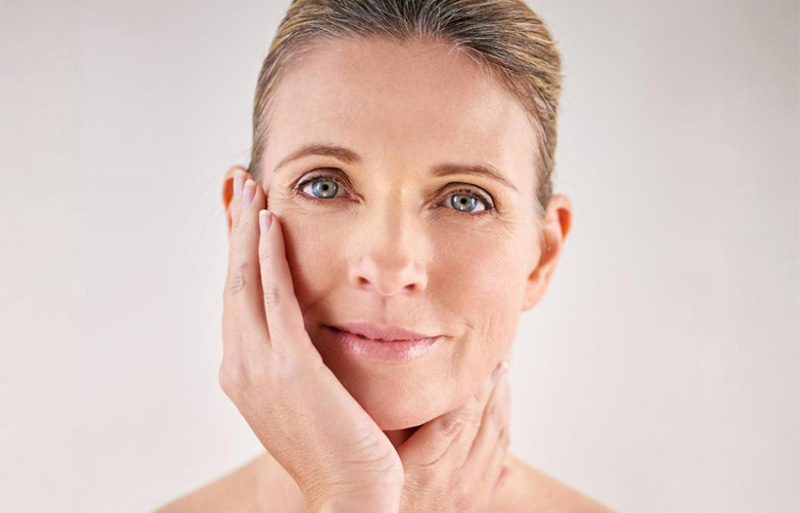
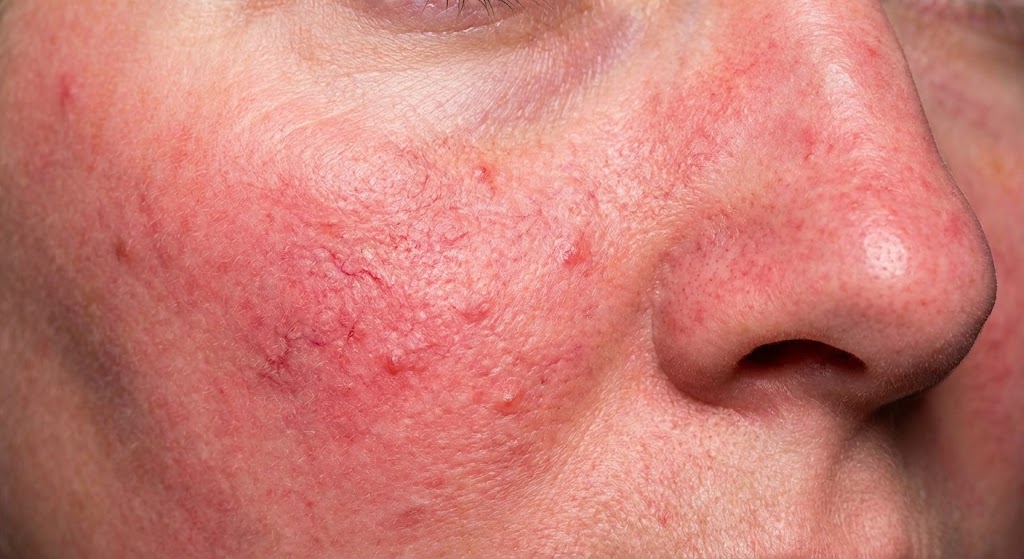
Rosacea is a condition of chronic skin inflammation. It can be confusing as it doesn’t look the same for everyone. Some people mainly deal with flushing and skin redness. Others have visible tiny veins, acne-like bumps, or burning and stinging sensations that make the skin hard to manage. Even when a treatment helps one symptom, another may remain. That is why many people end up using more than one approach over time. These can include skincare changes, prescription options, trigger awareness, and sometimes laser-based care. Still, some patients continue to struggle with flare-ups, persistent sensitivity, and skin that feels fragile.
PRP (platelet-rich plasma) therapy is emerging as a potential treatment option for rosacea because of its anti-inflammatory and regenerative properties. Research suggests it may help reduce symptoms in patients who haven’t responded well to other treatments. This article explains what PRP is, how it may work for rosacea, and what to expect from the process.
What Is PRP?
Platelet-rich plasma (PRP) is a substance made from your own blood that contains a high concentration of platelets and growth factors. These growth factors help trigger healing and reduce inflammation when applied or injected into the skin. PRP has been used in many medical and cosmetic fields, including wound healing, hair restoration, scar improvement, and skin rejuvenation.
Because PRP is made from the patient’s own blood, the risk of allergic reactions is minimized. A typical PRP session involves drawing a small amount of blood, spinning it in a centrifuge to concentrate the platelets, and then injecting or applying it to targeted areas of the skin.
What Is Rosacea?
Rosacea is a long-term skin condition that shows up as facial redness, flushing, visible blood vessels, or acne-like bumps. It can be frustrating because symptoms may come and go. Common treatments like topical creams, oral antibiotics, and laser/light therapies do not always work well for everyone. Typical symptoms include:
- Redness on the cheeks, nose, chin, or forehead
- Flushing or warmth in the face
- Small visible blood vessels
- Bumps that may look like acne
- Sensitive or irritated skin
Triggers can include sun exposure, hot drinks, spicy food, stress, or alcohol.
Why PRP Might Help Rosacea
Rosacea is linked to inflammation in the skin. PRP contains growth factors that may help calm inflammation, support healthier skin repair, and improve overall skin quality. Instead of just treating symptoms on the surface, PRP works deeper in the skin to support healing from within. This is why it is sometimes considered for people who do not get enough relief from creams or medications.
What Does Research Say About PRP for Rosacea?
Research on PRP for rosacea is still developing, but early results are encouraging. Recent research suggests PRP may be effective and safe in treating rosacea:
- A clinical study showed that patients treated with PRP had noticeable improvement in redness and overall rosacea severity. Some patients had excellent improvement, while others had moderate improvement.
- Other small studies and case reports suggest PRP may help people who have not responded well to traditional rosacea treatments.
More large-scale studies are still needed, but PRP is considered a promising option for certain patients.
What Happens During a PRP Treatment for Rosacea?
A PRP treatment appointment is usually simple and well-tolerated, and most visits take about 45 minutes to one hour from start to finish. The process is designed to be as comfortable as possible, especially for sensitive or rosacea-prone skin. It typically includes the following steps:
- Blood draw: A small amount of blood is taken from your arm, similar to a routine lab test. This step is quick and usually takes just a few minutes.
- Preparing the PRP: The blood is placed in a special machine that spins it to separate the platelets from the rest of the blood. This creates the platelet-rich plasma, which contains natural growth factors used in the treatment.
- Applying or injecting the PRP: The PRP is then carefully applied to the skin or injected into targeted facial areas where rosacea symptoms are most noticeable, such as the cheeks or nose. The method used depends on the treatment plan and your skin’s sensitivity.
In some cases, PRP is combined with microneedling to help the plasma absorb more effectively into the skin. When rosacea is present, this step is done cautiously and at a shallow depth to minimize irritation. Your provider will adjust the approach to protect sensitive skin and reduce the chance of flare-ups.
Benefits of PRP for Rosacea
PRP therapy for rosacea may offer several potential benefits:
- Reduced redness and inflammation due to growth factors helping calm irritated skin
- Improved overall skin health and texture
- Potential reduction in reliance on oral medications in some refractory cases
- Minimal risk of allergic reaction since the patient’s own blood is used
PRP may also reduce the need for long-term use of oral medications in some cases, depending on individual response.
Possible Side Effects and Safety
PRP is generally considered safe because it uses your own blood. But there can be some temporary side effects that can include mild redness, swelling or bruising at the injection site. They usually fade within days. Rarely, infection or discomfort may occur, as with any injection.
It’s important to get PRP procedures from a trained provider and follow aftercare instructions to reduce the risk of complications.
Who Is a Good Candidate?
PRP for rosacea may be considered for individuals who:
- Have moderate to severe rosacea symptoms
- Have not responded well to standard topical or oral treatments
- Prefer a natural therapy that does not rely on long-term medication
- Are seeking to improve skin health and inflammatory response
A consultation with a qualified provider can help determine if PRP is appropriate based on skin type, rosacea severity, medical history and treatment goals.
Limitations and What to Expect
PRP does not work overnight. While early results are encouraging, PRP is still not a cure, but a part of the rosacea management plan. Results can vary by individual, and multiple sessions are often needed to see improvement. Some patients may respond better when PRP is combined with other treatments tailored to their type of rosacea.
Patients should also keep in mind that rosacea is chronic and may require ongoing management even after PRP therapy.
PRP and Other Rosacea Treatments
PRP is just one of many therapies used for rosacea. Others include:
- Topical treatments (e.g., metronidazole, azelaic acid)
- Oral antibiotics in some cases
- Laser or light therapies for redness and visible vessels
PRP may be used with these approaches to reduce inflammation and support overall skin health, depending on a patient’s condition and response to treatment.
Summary
PRP therapy is an emerging option for rosacea that uses the patient’s own platelets to reduce inflammation and support healing. If you’re considering PRP for rosacea, a consultation with Dr. Sajan at PRP In Seattle can help determine whether it fits your skin type, symptoms, and treatment goals. Call us at (206) 279-2112 to book an appointment.
FAQs
Does PRP treat rosacea?
PRP does not cure rosacea, but it may help reduce redness and irritation for some people. It works by calming inflammation and supporting skin healing, and results vary by individual.
What is the best permanent treatment for rosacea?
There is no permanent cure for rosacea. Most people manage it long term with a combination of lifestyle changes, prescription treatments, and sometimes procedures like PRP.
What is the new treatment for rosacea in 2025?
There is no single “new cure” for rosacea in 2025, but research continues into treatments that reduce inflammation and strengthen the skin barrier. Options like PRP are being explored and refined.
How long will redness last on the face after PRP?
Redness after PRP is usually temporary and can last from a few hours to a couple of days. Sensitive or rosacea-prone skin may take slightly longer to calm down.
What calms rosacea quickly?
Cooling the skin, avoiding heat, and using gentle, soothing products can help calm rosacea flare-ups. Identifying and avoiding personal triggers is one of the most effective ways to reduce symptoms.
What should you not put on rosacea skin?
Avoid products with alcohol, fragrance, strong acids, retinoids (unless prescribed), and harsh scrubs. These can irritate the skin and worsen redness or burning.
What triggers rosacea flare-ups?
Common triggers include sun exposure, heat, stress, spicy foods, alcohol, hot drinks, and harsh skincare products. Triggers vary from person to person, so tracking patterns can be helpful.
Additional Reads: