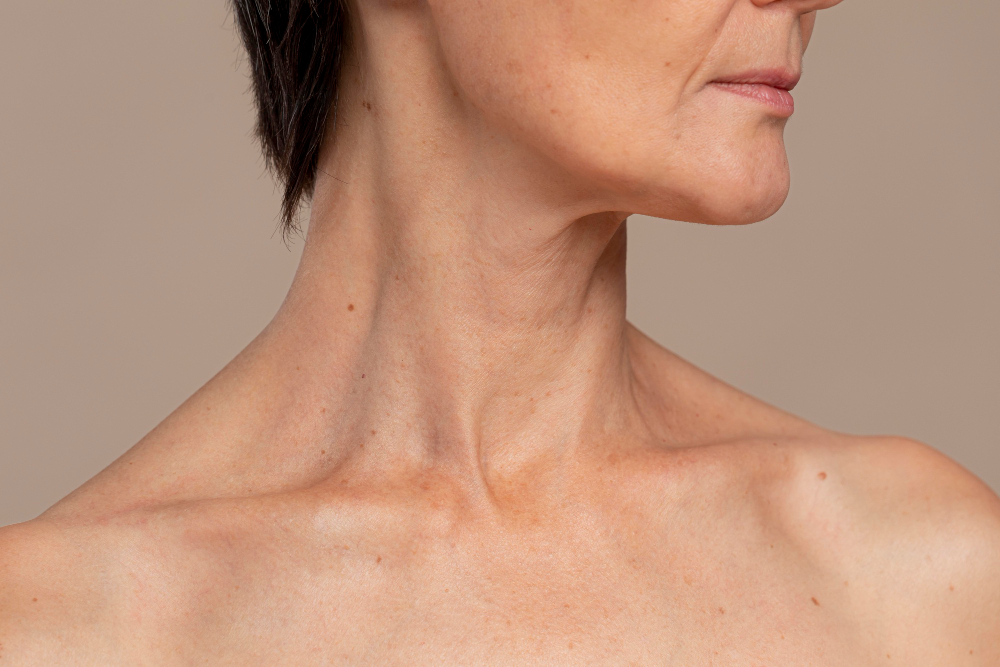
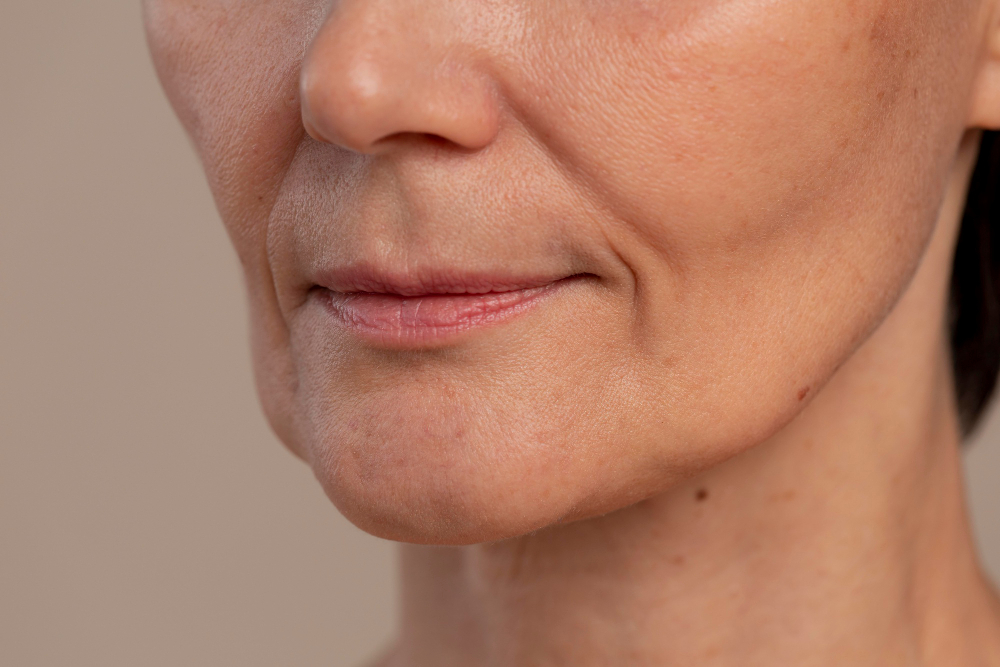
Smile lines, also known as nasolabial folds, are one of the earliest and most noticeable signs of facial aging. These lines extend from the sides of the nose down to the corners of the mouth. Over time, they become more pronounced with repeated facial expressions, sun exposure, and natural collagen loss. Patients looking for treatment options beyond traditional dermal fillers sometimes ask: Can PRP fix smile lines?
In this blog, we’ll address this question.
Key Points
- Yes, a PRP in Seattle (Platelet-Rich Plasma) can help reduce mild-to-moderate smile lines gradually, though results differ from dermal fillers.
- It works well for subtle softening and skin quality, not for correcting deep, volume-related folds.
- You can expect a series of sessions, with results appearing over 6–12 weeks.
- For deeper folds, PRP is typically used alongside fillers or other treatments for better results.
What Is PRP?
Platelet-Rich Plasma (PRP) is created from a small sample of your own blood. The blood is placed in a centrifuge, which spins at high speed to separate the plasma layer (rich in platelets and growth factors) from red and white blood cells. The resulting concentrate contains approximately 2-5 times the platelet concentration found in normal blood.
These platelets contain growth factors or proteins that signal your cells to repair tissue, produce collagen, and generate new blood vessels. When injected into the nasolabial folds, these growth factors activate your body’s natural healing response.
How PRP Helps Improve Smile Lines
As collagen production slows with age, smile lines can become more visible. PRP is used to support the body’s natural collagen response in the treated area, which can lead to a smoother texture and better skin quality over time.
Clinical research on PRP for facial rejuvenation suggests it may help improve skin thickness, elasticity, and overall appearance in areas like the nasolabial folds. In many studies, patients report reduced wrinkle depth and a healthier-looking skin texture after completing a treatment series.
PRP vs Dermal Fillers for Smile Lines
Understanding the difference between PRP and traditional dermal fillers is important for setting realistic expectations:
Dermal Fillers (Hyaluronic Acid-Based):
- Provide immediate volume and lift
- Results are visible immediately after treatment
- Typically last 6-12 months before requiring touch-ups
- Work by physically filling the space beneath the line
- Suitable for deeper folds requiring significant volume
PRP Injections:
- Improve skin quality from within through collagen stimulation
- Results develop gradually over weeks to months
- Effects may last 6-18 months with proper maintenance
- Enhance texture, elasticity, and thickness without adding bulk
- Suitable for moderate lines and overall skin rejuvenation
- Natural approach using your body’s own healing factors
The Most Common PRP Treatment Approaches for Smile Lines
PRP can be used in different ways depending on how deep the smile lines are and what kind of improvement you want.
PRP injections
PRP can be injected directly into the lower face to support collagen and improve skin quality. This is usually chosen when the goal is gradual softening, not instant filling.
PRP with microneedling
Microneedling creates controlled micro-injuries that stimulate collagen, and PRP is applied or delivered during the process to enhance healing signals. This combination is often selected when smile lines come with texture issues (fine creasing, enlarged pores, dullness).
Combination therapy for deeper folds
When smile lines are deeper and more structurally set, PRP is often combined with other treatments. For example, it may be paired with a dermal filler for added lift and volume or with a laser treatment for skin tightening. In many cases, PRP works well as part of a combination plan rather than as a stand-alone treatment for deep folds.
How Many Sessions Do I Need?
Most patients need a series of 3 to 4 PRP sessions, spaced a few weeks apart, to see noticeable improvement in smile lines. After the initial series, maintenance treatments every 6 to 12 months are often recommended to help maintain skin quality and support long-term results.
How Long Do PRP Results Last for Smile Lines?
PRP results for smile lines typically last 6 to 12 months, depending on skin quality, age, and how many sessions are completed. Many patients choose periodic maintenance treatments to help extend and refresh their results.
Who Is a Good Candidate?
PRP may be suitable for patients who:
- Have early smile lines and want gradual softening
- Want a natural-looking improvement focused on skin quality
- Have dullness, crepey texture, or fine lines alongside folds
- Prefer to avoid or minimize synthetic injectable
PRP may be less satisfying if patients want:
- An instant correction of deep nasolabial folds
- Dramatic volume restoration (filler is typically better for that)
Side Effects and Safety Considerations
Common short-term effects of PRP include:
- Redness
- Swelling
- Bruising
- Tenderness at injection or microneedling sites
Even though PRP uses your own blood, it still involves needles and must be performed with strict medical standards.
What to Ask During a Consultation
To avoid disappointment and get a plan that matches your anatomy, ask:
- Are my smile lines mostly skin texture or volume-related?
- Would PRP be used as a single plan or combined with another treatment?
- How many sessions do you typically recommend for nasolabial folds?
- What changes should I expect at 4 weeks, 8 weeks, and 12 weeks?
Find Out If PRP Is Right for You
Every face ages differently, and the right plan depends on whether your folds are mainly related to skin quality, volume loss, or both. During a consultation at PRP In Seattle, our qualified injectors will assess your smile lines and explain what PRP can realistically achieve. Call us at (206) 279-2112 to book a consultation.
FAQs
How much is PRP for smile lines?
PRP pricing varies by provider and treatment plan. The total depends on how many sessions are recommended and whether it is combined with other treatments like microneedling.
What is the best procedure to get rid of smile lines?
The best treatment depends on how deep the lines are. Mild lines may improve with PRP or microneedling, while deeper folds often respond better to dermal fillers that restore volume. In some cases, combination treatments provide the most balanced result.
Does PRP act like filler?
No. PRP does not instantly fill or lift like dermal filler. It works by stimulating collagen over time, which can gradually soften lines but does not create immediate volume.
Can face PRP go wrong?
PRP is generally considered safe when performed by a trained provider because it uses your own blood. However, improper technique can lead to swelling, bruising, uneven results, or infection, which is why choosing an experienced practitioner is important.
At what age do smile lines start?
Smile lines can begin forming in the late 20s to early 30s, but they typically become more noticeable in the 30s and 40s as collagen production naturally declines.