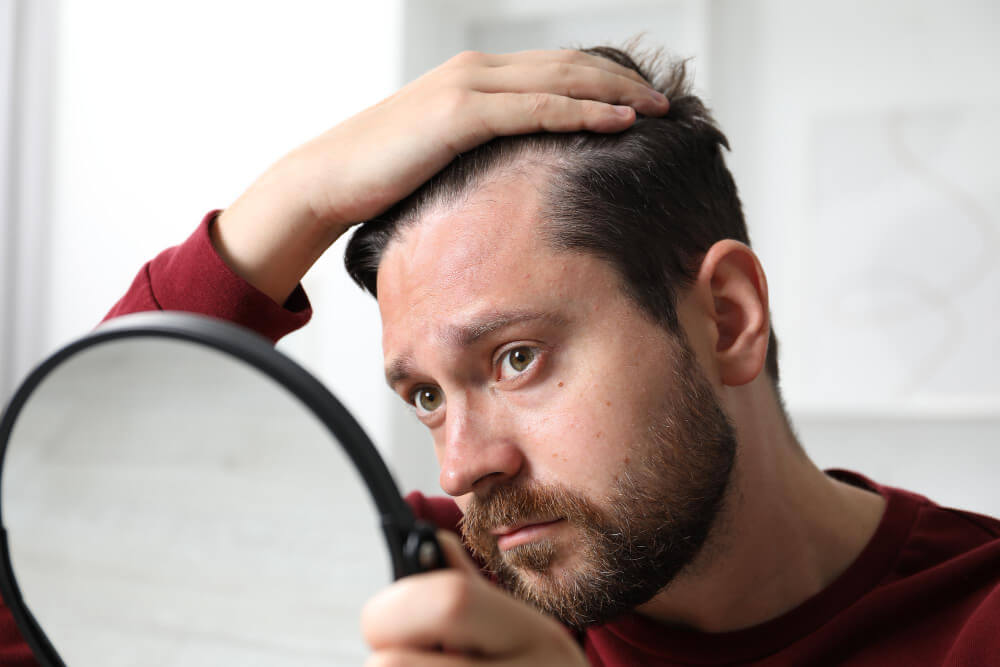
Hair thinning doesn’t always start the same way for everyone. Some patients notice a widening part or a thinner ponytail. Others see more shedding in the shower, a receding hairline, or see-through areas on the crown. Patients try supplements, shampoos, or styling changes, only to realize the issue is still slowly progressing.
PRP (platelet-rich plasma) therapy has become a popular option for patients who want thicker-looking hair without surgery. The American Academy of Dermatology notes that studies show PRP can be a safe and effective treatment for hair loss.
What Is PRP?
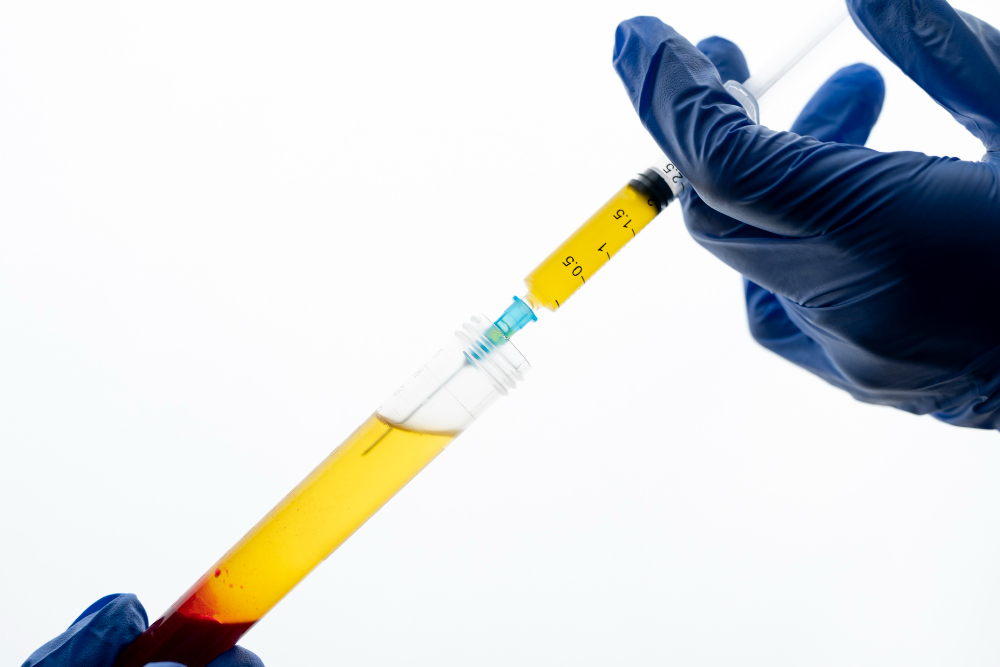
Platelet-rich plasma (PRP) is a portion of your own blood that contains platelets and growth factors. A small blood sample is drawn, then processed in a centrifuge to concentrate platelets. PRP has been used for wound healing and can also be used for scalp injections aimed at hair regrowth.
Because PRP comes from your own blood, allergic reactions are rare. Most side effects are temporary and related to injections.
Does PRP Make Your Hair Thicker?
PRP can help hair look thicker in patients who are experiencing thinning, especially in the early stages of hair loss. It works by using growth factors from your own blood to support and stimulate existing hair follicles. When follicles become healthier and more active, hair strands can grow stronger and appear fuller over time.
Hair grows in cycles, including a growth phase and a shedding phase. PRP may help more follicles stay in the growth phase longer, which can improve hair density and thickness. It does not create new follicles in completely bald areas, but it can strengthen the hair you still have.
Can PRP Work for All Types of Hair Loss?
PRP can help improve hair thickness in certain types of hair loss, but it does not work for everyone. It is most effective when hair follicles are still active. PRP is commonly used for:
- Androgenetic alopecia (male and female pattern hair loss)
- Early stages of thinning hair
- Mild to moderate hair loss
What Does Research Say About PRP for Hair Thickness?
Overall, research trends are positive, especially for androgenetic alopecia, though protocols vary.
- A 2023 meta-analysis reported PRP increased hair density at 3 and 6 months compared with placebo in androgenetic alopecia.
- Research reviews also highlight that PRP can increase density and/or hair shaft diameter in many studies. Results vary due to differences in PRP preparation and treatment schedules.
How Many Sessions Do You Need for Thicker Hair?
There isn’t one perfect schedule for everyone, but many clinics follow a common structure:
- Monthly sessions for 3 months, then
- Maintenance every 3–6 months, depending on response
PRP is not a one-time treatment. If it helps you, you usually need maintenance to keep the benefits, similar to how most non-surgical hair loss treatments work.
How Long Does PRP Take to Thicken Hair?
PRP works gradually. Some patients notice reduced shedding earlier, but visible thickening often takes time. The ISHRS notes visible growth can appear as early as 1–2 months, but it can take up to 6 months to see a meaningful benefit.
Most patients should think in terms of months, not days.
Read more: Are PRP Results Permanent?
PRP Cost for Hair
Pricing varies widely by city and clinic, and most insurance plans do not cover PRP for hair because it’s generally considered elective. RealSelf reports an average cost of around $1,609, with prices up to $3,000 (based on their marketplace data).
If you’re comparing costs, ask whether pricing includes:
- Consultation
- Number of sessions in the series
- PRP preparation method
- Follow-up and maintenance plan
Side Effects, Safety, and Realistic Considerations
PRP is generally considered safe when performed by trained medical professionals. The most common issues are local injection-related effects like tenderness or swelling. Key limitations to know:
- Results are not guaranteed; some patients may see minimal benefit.
- Protocols vary, and a lack of standardization can affect outcomes.
- PRP tends to work better for thinning hair, not fully bald areas.
Want to Explore PRP for Hair?
If you’re noticing thinning hair and want a non-surgical option that supports natural growth, PRP may be worth considering. At PRP In Seattle, our team provides personalized PRP hair restoration plans designed to strengthen existing follicles and improve overall hair density over time. Schedule a consultation by calling (206) 279-2112 to find out whether PRP is appropriate for your hair type and goals.
FAQs
When is it too late for PRP?
It may be too late for PRP if the area is completely bald and hair follicles are no longer active. PRP works best when there is thinning hair rather than long-standing baldness.
Can too much PRP damage hair?
PRP itself does not typically damage hair when performed correctly. However, excessive or improperly spaced treatments may irritate the scalp, which is why sessions should follow a structured plan.
What are the signs that PRP is working?
Early signs include reduced hair shedding and less thinning over time. After several months, you may notice improved hair density or thicker strands.
Does PRP help with alopecia?
PRP can help certain types of alopecia, especially androgenetic (pattern) hair loss. Results vary depending on the cause and severity of hair loss.
Do you have to keep doing PRP forever?
PRP results are not permanent, so maintenance treatments are often recommended. Many patients continue sessions every few months to preserve results.
How painful is PRP?
PRP involves multiple small scalp injections and may feel mildly uncomfortable. Most patients describe the sensation as tolerable, and numbing options can be used.
What is the best age to start PRP?
There is no specific “best age,” but PRP tends to work better when started early in the thinning process. Younger patients or those in early stages of hair loss often see better outcomes.
Can PRP regrow a full head of hair?
PRP cannot restore hair in completely bald areas where follicles are gone. It is designed to strengthen and thicken existing hair rather than create entirely new follicles.
Does PRP work for thin hair?
Yes, PRP may improve thin hair by supporting healthier follicles and increasing hair thickness over time. It works best when follicles are still active.