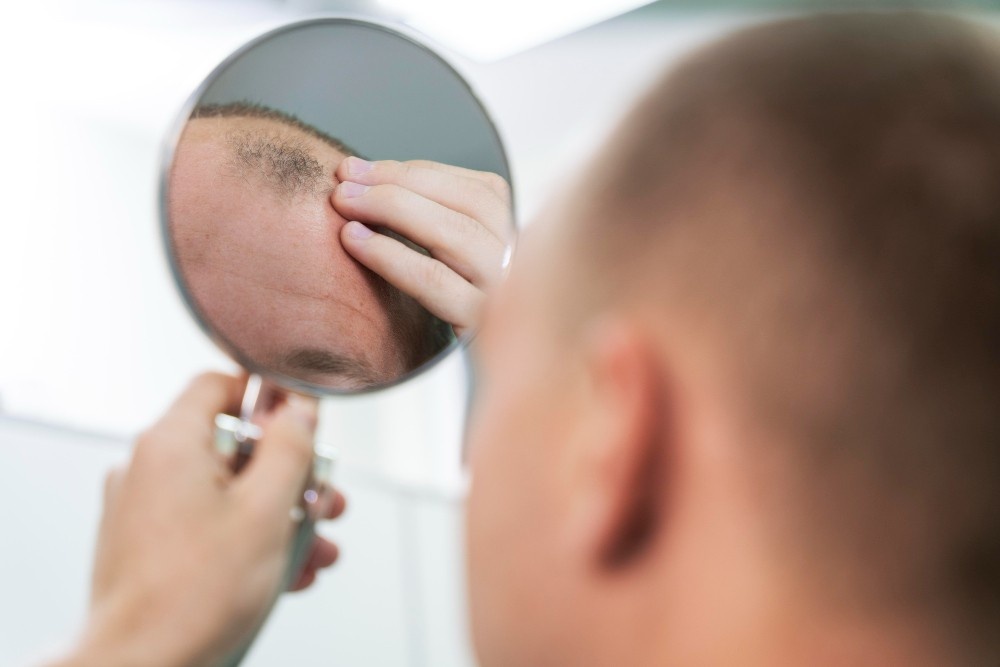
Hair loss affects millions worldwide, leading many to look for effective solutions. For those exploring treatment options, PRP therapy has emerged as a promising solution. This innovative approach has gained significant attention in recent years, but the question remains the same. Can PRP actually regrow hair?
Let’s explore what science tells us about this treatment and whether it might be the right solution for various hair loss concerns.
Understanding PRP hair treatment
Platelet-Rich Plasma is a concentrate of your own blood that contains a higher level of platelets and growth factors. In a Seattle PRP hair treatment, a small sample of blood is drawn and processed in a centrifuge to separate the platelet-rich portion. This plasma, rich in growth signals, is then injected back into areas of the scalp where hair is thinning.
The growth factors in PRP help stimulate hair follicles that have become dormant or weak. By increasing blood supply and activating cellular processes in the scalp, PRP can extend the hair’s growth phase and encourage thicker, healthier strands. This regenerative mechanism is a natural way to support hair regrowth without introducing foreign substances.
Does PRP Work for Everyone?
PRP hair regrowth works best in early to moderate hair thinning. It is most helpful for:
- Male pattern hair loss
- Female pattern hair thinning
- Receding hairline with active follicles
- Stress-related shedding
- Certain cases of alopecia areata (though evidence in this area is more limited than for pattern baldness)
PRP is less effective in areas that are completely bald with no functioning follicles. If hair has been gone for many years and the follicle is no longer active, PRP may not produce visible regrowth.
A proper scalp evaluation is important before starting treatment. Our providers assess the condition of the scalp and the stage of hair loss to determine whether PRP is a good option.
Can PRP Regrow Hair?
PRP can be effective for people with thinning hair, especially in the early to moderate stages of hair loss. It works best when hair follicles are still active. Studies and meta-analyses have shown that PRP injections may improve hair density and increase hair thickness in patients with pattern baldness (also known as androgenetic alopecia).
Most patients do not see immediate results. Shedding often decreases within the first one to two months. Noticeable thickening and improved coverage typically appear around three to six months after a treatment series is completed. Clinical reviews have reported measurable improvement in hair count at these time points.
It is worth noting that individual results can vary significantly. Factors such as the extent of hair loss, age, and overall scalp health all influence how a patient responds to treatment.
PRP is less effective in completely bald areas because it supports existing follicles rather than creating new ones. Consistent sessions and maintenance treatments are usually needed to sustain results.
What Factors Influence Hair Regrowth with PRP?
Multiple factors influence hair regrowth with PRP. Some of them are as follows:
Hormonal Changes
Hormones play a major role in hair cycling. Shifts in hormones from pregnancy, postpartum changes, perimenopause, menopause, thyroid imbalance, PCOS, or high androgen activity can trigger shedding or progressive thinning. PRP may still help, but results are usually stronger when the hormonal trigger is identified and managed. If hormones remain unstable, PRP often improves quality and density, but regrowth may be slower, and maintenance may be needed more often.
Severity of Hair Loss
PRP works best when there are still living follicles to stimulate.
- Mild to moderate thinning: Often the best response because follicles are weakened, not gone.
- Advanced thinning or long-standing bald areas: Results tend to be limited because fewer active follicles remain. PRP may improve the surrounding hair but may not meaningfully fill fully bare areas.
Type of Hair Loss
The type of hair loss affects how well PRP works. It tends to respond best in early male- or female-pattern hair loss, when follicles are still active. In stress-related shedding, PRP can support thicker regrowth once the trigger improves. Results are less predictable in autoimmune hair loss and are usually limited in scarring alopecia, where follicles are permanently damaged.
Scalp and Follicle Health
If follicles are miniaturized but still active, PRP has more to work with. Poor scalp circulation, inflammation, or heavy scaling can limit response, so treating scalp health may improve results.
Genetics and Family Pattern
Genetics influences how aggressive hair thinning becomes and how quickly it progresses. PRP can help slow progression and improve density, but it does not change genetic tendency, so maintenance is usually important.
Treatment Plan and Consistency
PRP is typically done as a series, followed by maintenance. Inconsistent scheduling often leads to weaker results. Many people see better outcomes when PRP is paired with a broader plan, such as medical therapy, supplements for documented deficiencies, or topical support.
Provider Technique and PRP Quality
Processing method, platelet concentration, injection depth, and treatment mapping affect results. Two PRP treatments are not always equal, and technique can influence both speed and visibility of improvement.
If you want, I can tailor this section to a Seattle PRP blog by adding a short paragraph on how clinics evaluate hormones, hair loss type, and severity during a consultation.
What Do PRP Results Look Like?
PRP hair restoration requires patience. Hair does not grow overnight. Most treatment plans include three to four sessions spaced about four to six weeks apart. Maintenance treatments are often recommended every three to six months.
Many patients notice:
- Less shedding within the first one to two months
- Thicker texture around three to four months
- Improved density around four to six months
PRP before and after photos often show fuller coverage in thinning areas rather than dramatic changes in completely bald spots.
PRP vs. Other Hair Loss Treatments
There are many hair loss treatments available, which can make it confusing to decide what works. Topical products such as minoxidil focus on stimulating blood flow. Oral medications such as finasteride address hormonal causes. Cosmetic treatments such as keratin improve hair texture but do not affect the follicle.
PRP hair treatment is different because it delivers growth factors directly at the follicle level. Some patients combine PRP with other therapies for better overall results. A personalized treatment plan often produces the best outcome.
Final Thoughts
Hair thinning can feel discouraging, but early treatment can make a meaningful difference. PRP hair restoration focuses on supporting the health of existing follicles rather than masking the problem.
Our providers create customized treatment plans based on each patient’s pattern of hair loss and long-term goals. For individuals experiencing thinning hair, platelet-rich plasma therapy may offer a medically supported way to improve density and reduce shedding over time. Scheduling a consultation is the first step toward understanding whether PRP hair treatment is the right approach for restoring healthier, fuller-looking hair.
Frequently Asked Questions
- Can PRP really regrow hair?
PRP can help regrow hair in people who still have active hair follicles. It does not create new follicles, but it can strengthen weak ones and improve their ability to produce thicker hair. Many patients notice less shedding first, followed by gradual improvement in density over several months. Results are best in early to moderate stages of hair thinning, and individual outcomes may vary.
- How long does it take to see results from PRP for hair loss?
Hair growth takes time. Most patients begin noticing reduced shedding within four to eight weeks. Visible thickening usually appears around three to four months. Improved coverage may continue to develop through six months when treatments are done consistently.
- How many PRP sessions are needed for hair regrowth?
Most treatment plans include three to four sessions spaced about four to six weeks apart. After the initial series, maintenance treatments every three to six months help sustain results. The exact schedule depends on the severity of hair loss and how the scalp responds.
- Does PRP work for female hair loss?
Yes. PRP hair treatment is commonly used for female pattern hair thinning. It can help improve density and reduce shedding in women who still have active follicles. Many women prefer PRP because it is non-surgical and uses their own blood.
- Is PRP better than a hair transplant?
PRP and hair transplant surgery serve different purposes. PRP strengthens and supports existing follicles. A hair transplant moves healthy follicles from one area of the scalp to another. In some cases, PRP is used alongside hair transplant surgery to support healing and growth. The right approach depends on the individual’s degree of hair loss and goals.