CO2 laser resurfacing is one of the most clinically supported treatments for reducing acne scars. It works by using concentrated carbon dioxide light to remove damaged skin layers and stimulate collagen production below the surface. At PRP in Seattle, our certified providers use CO2 laser technology alongside platelet-rich plasma (PRP) to improve skin texture, soften scars, and support long-term skin renewal.
How CO2 Laser Works: The Science Explained
The CO2 laser emits infrared light at a wavelength of 10,600 nanometers. This wavelength is absorbed by water molecules in the skin, which allows it to vaporize damaged tissue with precision while minimizing impact on surrounding healthy cells. When the laser contacts the skin, it removes microscopic columns of tissue in a controlled pattern.
CO2 laser technology works in two primary ways. Traditional full-field CO2 lasers remove the entire outer skin layer in a single pass. Fractional CO2 lasers, on the other hand, create thousands of small treatment zones while leaving surrounding tissue untouched. This fractional approach shortens recovery time and allows the skin to heal more efficiently. Both methods stimulate collagen production in the deeper layers of the dermis, which continues improving skin quality for several months following treatment.
Why CO2 Laser Is Effective for Acne Scars?
Acne scars form when inflammation breaks down collagen and elastin beneath the skin. Atrophic scars, which appear as depressions or pits, are among the most common and difficult types to address. CO2 laser resurfacing targets these scars by removing damaged tissue and triggering the skin’s natural repair process, which generates new collagen and gradually fills in depressed areas.
The precision of CO2 laser treatment makes it particularly effective for acne scarring. Unlike chemical peels or microdermabrasion, it can target specific scar depths and types. Rolling scars, boxcar scars, and ice pick scars all respond to this treatment, though the number of sessions varies depending on scar severity and skin condition. Our certified providers at PRP in Seattle customize treatment settings based on individual scar characteristics and skin type to deliver the most appropriate outcomes.
Fractional CO2 Laser Benefits
A key advantage of fractional CO2 laser is that it treats the skin in a precise pattern rather than resurfacing the entire surface at once. Fractional technology creates microscopic treatment zones while leaving adjacent tissue intact, allowing the skin to heal faster while still receiving deep collagen stimulation.
Fractional CO2 laser benefits include:
-
Smoother skin texture
-
Reduced appearance of acne scars
-
Improved collagen production
-
Firmer-looking skin
-
Smaller-looking pores
-
More even skin tone
-
Improvement in fine lines
-
Better overall skin renewal
Treatment settings can be adjusted based on scar depth, skin condition, and downtime tolerance. More intensive settings produce deeper resurfacing, while lighter settings suit patients who prefer a more gradual approach.
CO2 Laser With PRP for Acne Scars
PRP in Seattle specializes in regenerative skin treatments, including platelet-rich plasma therapy. PRP is prepared from a patient’s own blood and contains growth factors that support tissue repair. When combined with CO2 laser resurfacing, PRP is applied after treatment to assist the healing process.
This combination works well for acne scars because the laser creates micro-channels in the skin, allowing the regenerative components of PRP to reach the freshly treated tissue. PRP helps reduce inflammation, supports collagen activity, and may improve the overall recovery experience. Patients interested in prp for acne scars can discuss this combined approach during a consultation.
What Happens During CO2 Laser Treatment
Before the procedure, our certified providers evaluate the skin to confirm that CO2 laser resurfacing is appropriate based on scar type, skin tone, and treatment goals.
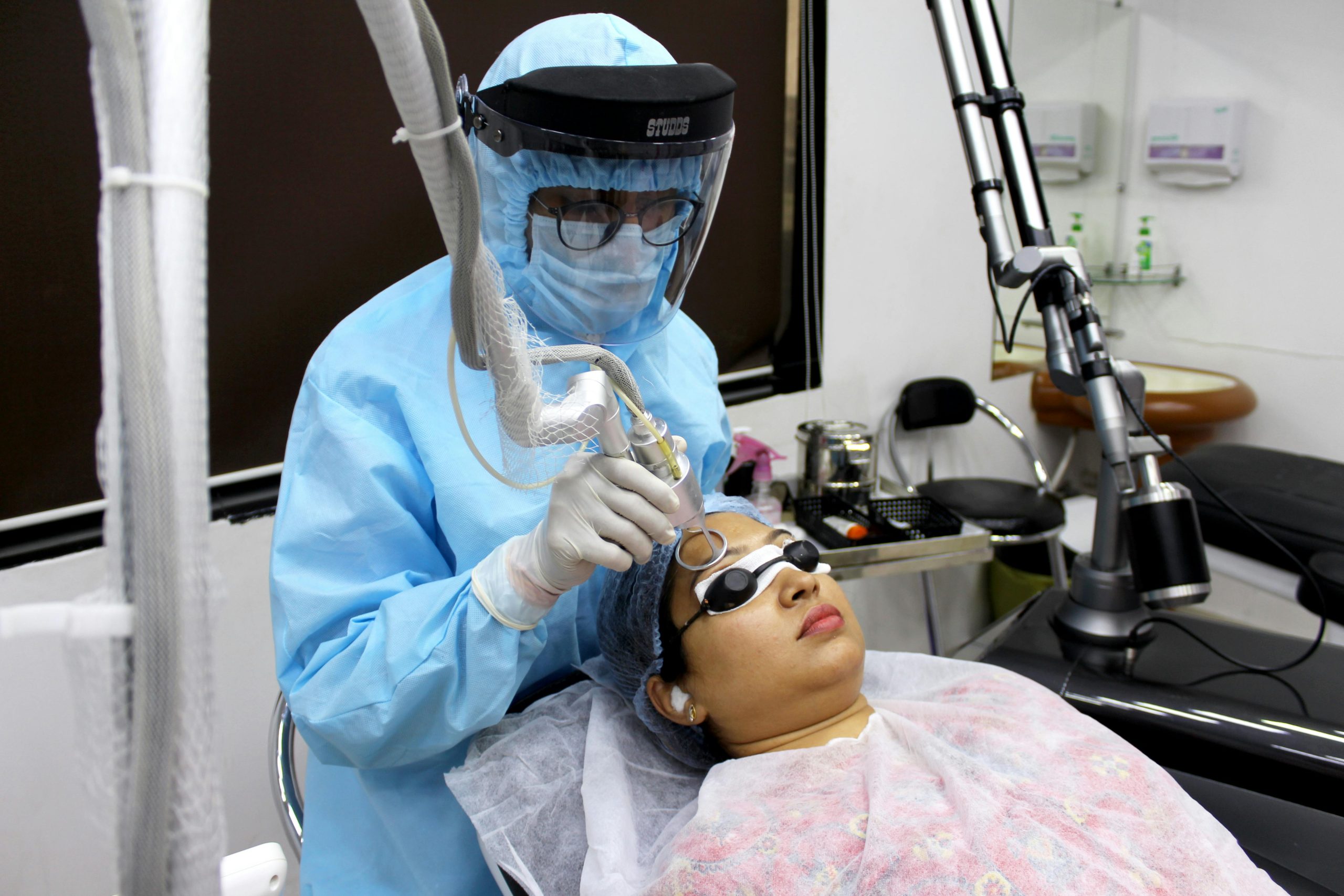
The treatment area is cleansed, and a numbing agent or other comfort measure is applied. During the procedure, the laser is passed over the skin in a controlled pattern. Patients typically experience heat, pressure, or a mild snapping sensation depending on treatment depth and the comfort method used.
After the laser portion is complete, the skin appears red and feels warm. If PRP is included in the plan, it is applied directly to the treated skin. Patients receive detailed aftercare instructions before leaving.
Laser Skin Resurfacing Results: What to Expect
Laser skin resurfacing results develop in stages. Some patients notice smoother skin after the initial healing period, but collagen remodeling continues for weeks to months after treatment. This gradual improvement reflects how the skin rebuilds from within.
Early changes often include a brighter complexion and a smoother surface texture. Deeper acne scar improvement takes longer because collagen remodeling occurs below the skin’s surface. Depending on scar severity, more than one treatment session may be recommended. Patients considering CO2 laser resurfacing in Seattle should have a full consultation to understand what results are realistic for their specific scar type.
CO2 laser resurfacing improves acne scars significantly in most cases, but it may not erase every mark completely. The goal is better texture, softer scars, and healthier-looking skin over time.
Recovery After CO2 Laser for Acne Scars
Recovery time depends on treatment intensity. Common short-term effects include redness, swelling, warmth, peeling, dryness, and sensitivity. The skin may feel tight during the healing phase.
Proper aftercare is critical to protecting results. Patients are advised to avoid direct sun exposure, use gentle skincare products, stay away from active ingredients such as retinoids or acids during healing, and keep the skin well moisturized. Sunscreen is required once the skin has healed, since treated skin is more sensitive to UV damage.
Our certified providers give specific instructions based on treatment depth and whether PRP was included. Following aftercare carefully reduces irritation and supports the best possible outcome.
Who Is a Good Candidate for CO2 Laser Resurfacing?
Strong candidates for CO2 laser resurfacing typically have:
-
Acne scars, including pitted, rolling, or uneven scars
-
Rough or uneven skin texture
-
Enlarged pores
-
Uneven skin tone
-
Mild skin aging or sun damage
-
Realistic expectations about treatment outcomes
-
The ability to follow post-treatment care instructions
Patients who are not experiencing active severe acne breakouts at the time of treatment are generally better candidates.
Some patients may need a modified treatment plan, particularly those with certain skin types, recent sun exposure, specific medical conditions, or a history of abnormal scarring. A consultation with our certified providers is the appropriate first step.
How Many CO2 Laser Treatments Are Needed?
The number of sessions depends on scar depth, skin quality, treatment strength, and patient goals. Some patients see meaningful improvement after one session. Others with deeper or more widespread acne scars may need a series of treatments for more noticeable correction.
For patients with complex scarring, CO2 laser resurfacing may be combined with PRP, microneedling, or other regenerative treatments. PRP in Seattle offers laser skin resurfacing treatment options that can be customized to fit each patient’s skin repair goals.
Schedule a CO2 Laser Consultation in Seattle
Acne scars are difficult to address with skincare products alone. CO2 laser resurfacing offers a clinically supported option for improving skin texture, softening scars, and encouraging long-term collagen renewal. At PRP in Seattle, our certified providers build personalized treatment plans for patients seeking CO2 laser resurfacing, PRP, and regenerative skin care in Seattle.
To find out whether CO2 laser for acne scars is the right treatment, schedule a consultation with PRP in Seattle today. Explore all available prp therapy options in Seattle and take a direct step toward clearer, smoother skin.
Frequently Asked Questions
How does CO2 laser work for acne scars?
CO2 laser removes damaged outer skin layers and heats deeper tissue to stimulate collagen production. This process smooths uneven texture and softens the appearance of acne scars over time. Results continue to develop for several months as new collagen forms.
Is CO2 laser good for acne scars?
Yes. CO2 laser for acne scars is a well-established treatment for pitted, rolling, and boxcar scars. It targets both surface damage and the deeper collagen loss that causes scar indentations.
How long does it take to see laser skin resurfacing results?
Initial improvement becomes visible after the skin heals, typically within one to two weeks. Deeper collagen remodeling continues for up to six months. Acne scar improvement is gradual, not immediate.
How many CO2 laser treatments are needed for acne scars?
Some patients see improvement after one treatment. Deeper or more widespread acne scars may require two to three sessions spaced several weeks apart. The exact number depends on scar type, depth, and skin condition.
Can CO2 laser resurfacing be combined with PRP?
Yes. CO2 laser resurfacing is commonly combined with PRP at PRP in Seattle. PRP is applied after laser treatment to support healing, reduce inflammation, and improve the skin’s recovery process.
Is CO2 laser resurfacing painful?
Most patients feel heat, pressure, or a mild snapping sensation during treatment. Numbing agents or other comfort measures are applied beforehand to keep the experience tolerable.
What is the downtime after CO2 laser for acne scars?
Downtime varies based on treatment depth. Redness, peeling, swelling, and sensitivity are common during the first one to two weeks. Our certified providers supply specific aftercare instructions based on each patient’s treatment plan.
Does CO2 laser completely remove acne scars?
CO2 laser significantly improves acne scars in most patients, but complete removal is not always achievable. The realistic goal is smoother texture, a softer scar appearance, and healthier-looking skin overall.