
The eyes are often the first thing people notice about us. They convey emotion, personality, and vitality. But the delicate skin around them is also one of the first spots to show signs of aging. Those fine lines that fan out from the outer corners of your eyes? They are called crow’s feet. These are just a part of a life filled with smiles and expressions. They show up when you smile, laugh, squint, or spend years in the bright sun. Many people like them. Others want them softened, without freezing their expression. That’s where PRP comes in. Read on for a detailed breakdown of what PRP can do for crow’s feet.
PRP is Not Botox
Crow’s feet are often dynamic wrinkles. This means they’re created by muscle movement (smiling and squinting). Botox and other neuromodulators work by relaxing those muscles, which is why they’re widely used for crow’s feet.
PRP works differently. It’s usually used to improve skin quality. It works on the texture, crepey skin, and overall thinness around the eyes, rather than shutting off motion.
What Is PRP?
PRP or platelet-rich plasma is a treatment that uses a patient’s own blood. The blood is spun in a machine to separate and concentrate the platelets. Providers use it for a range of reasons, including facial rejuvenation.
Platelets contain substances that help the body repair itself. Since PRP uses your own blood, the chance of an allergic reaction is low, but it is still a medical treatment and can be risky if not done properly.
Why Crow’s Feet Form
Crow’s feet usually come from a mix of:
- Muscle movement (smiling/squinting)
- Sun damage (collagen breakdown)
- Thinning skin as collagen and elastin decrease with age
- Dryness and irritation around the eyes
- Lifestyle factors like smoking, poor sleep, and chronic squinting
The eye area is also very tricky, as the skin is thinner. It moves constantly, and swelling/bruising can happen easily.
Benefits of PRP for Crow’s Feet
PRP is often used to help improve the skin over time. Research in dermatology suggests that PRP can activate cells in aging skin. It is associated with increased collagen and elastin, which are important for skin firmness and elasticity.
In practical terms, people typically seek PRP around the eyes for:
- Crepey texture
- Fine etched lines
- Overall skin quality
- Sometimes under-eye tone/pigmentation
PRP may be delivered in a few ways:
- PRP injections
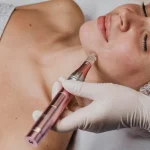
- Microneedling with PRP (“vampire facial” style)
- PRP combined with other treatments when appropriate (light neuromodulators, lasers, etc.)
Who Is a Candidate for PRP Around the Eyes?
PRP tends to make the most sense when your main concerns are:
- Early fine lines (etched texture)
- Crepey skin
- Thin, tired-looking skin quality
- You want gradual, natural-looking improvement
Who Is Not a Candidate for PRP Around the Eyes?
PRP is usually not the best primary treatment if:
- Your crow’s feet are mainly from strong muscle movement
- You have deep static lines and significant laxity
Health screening matters. Certain blood conditions can make you a poor candidate.
How to Prepare for a PRP Treatment
Preparing for a PRP treatment is usually simple. In the days leading up to your appointment, it is often recommended to avoid alcohol, as it can affect hydration and blood quality. PRP providers may ask you to stop certain medications (like blood thinners).
It is important to talk with your provider about any medications or supplements you take before treatment. This allows them to guide you safely and decide what, if anything, should be adjusted ahead of time. Staying well hydrated and arriving with clean skin on the day of your appointment can also help make the process smoother.
What to Expect During a PRP Treatment
While protocols differ, most clinics follow the same basics. A PRP treatment usually happens in two main steps and is done in the office. First, a small amount of blood is taken from your arm, similar to a routine blood draw. That blood is placed into a machine that spins it to separate the platelets from the rest of the blood. The goal is to collect the part of the blood that is rich in platelets, which contain natural substances that help support healing and skin repair. This process turns the blood into a yellow, serum-like liquid that is ready to be used for treatment.
Next, the PRP is placed back into the treatment area. Depending on your goals, it may be gently injected, applied after treatments like microneedling or laser, or placed into the skin in specific areas. The injections feel similar to other cosmetic injections and usually take only a few minutes. After treatment, the skin may look pink or slightly red and feel tender, with mild swelling or small pinpoint marks. These effects are normal and usually fade within a day or two as the skin begins its natural healing process. The whole process often takes around 45 minutes to an hour.
Downtime and Side Effects
Many people have redness for a day or two, plus possible swelling or bruising, especially around the eyes. Common PRP side effects are soreness and bruising, and less common risks can include bleeding, tissue damage, infection, or nerve injuries.
How Many Treatments Do You Need?
There’s no universal answer. In practice, many clinics recommend a series (often 2–3 sessions spaced weeks apart) and then maintenance. Your provider should explain why they recommend your plan and what success looks like for you.
Questions to Ask During Your PRP Consultation
If you’re considering PRP around the eyes, ask:
- Who performs the procedure?
- Is PRP injected, microneedled, or both, and why?
- What results should I realistically expect for my type of crow’s feet?
- What are the risks and how do you handle complications?
- What infection control standards do you follow?
- What is the treatment plan and what evidence is it based on?
Considering PRP for Crow’s Feet in Seattle?
PRP can be a thoughtful option for crow’s feet when the goal is skin quality. If you’re exploring non-invasive options to refresh the eye area in Seattle, a consultation can determine if PRP is right for you. At PRP In Seattle, we create a plan based on your anatomy, wrinkle type, and realistic outcomes. Call us at (206) 279-2112 to book an appointment.
FAQs
Will PRP erase crow’s feet completely?
Usually, no. PRP is more likely to soften fine lines and improve skin texture. Dynamic crow’s feet often respond best to neuromodulators.
Does it hurt?
There can be discomfort, especially with injections and microneedling. In at least one randomized trial, patients reported pain/discomfort and burning/stinging with both PRP and saline injections when microneedling was performed.
Is PRP safe?
When done in a proper medical setting with sterile technique, PRP is generally considered low risk, but infection and other complications are possible.
Who should avoid PRP?
Some people may not be candidates, including those with certain blood disorders. That is why a thorough evaluation is necessary.
Read more: What Are The Side Effects Of Botox In The Forehead?