When hair thinning, joint discomfort, or skin changes start affecting how you feel day to day, it is easy to feel stuck between doing nothing and committing to something invasive. Many people exploring options like PRP Hair Restoration Seattle are not just thinking about results. They are also thinking about safety, cost, and whether they can trust the provider.
That is where PRP stands out. It uses your own blood to support natural healing, but outcomes still depend on who performs the treatment and how carefully it is planned. At PRP In Seattle, treatments are guided by board-certified surgeons and certified aestheticians, giving patients a level of medical oversight and precision that matters when making decisions about hair, skin, or joint care.
Before moving forward, it is important to understand what PRP really involves, including cost, safety, and insurance considerations.
What Is PRP and How Does It Work?
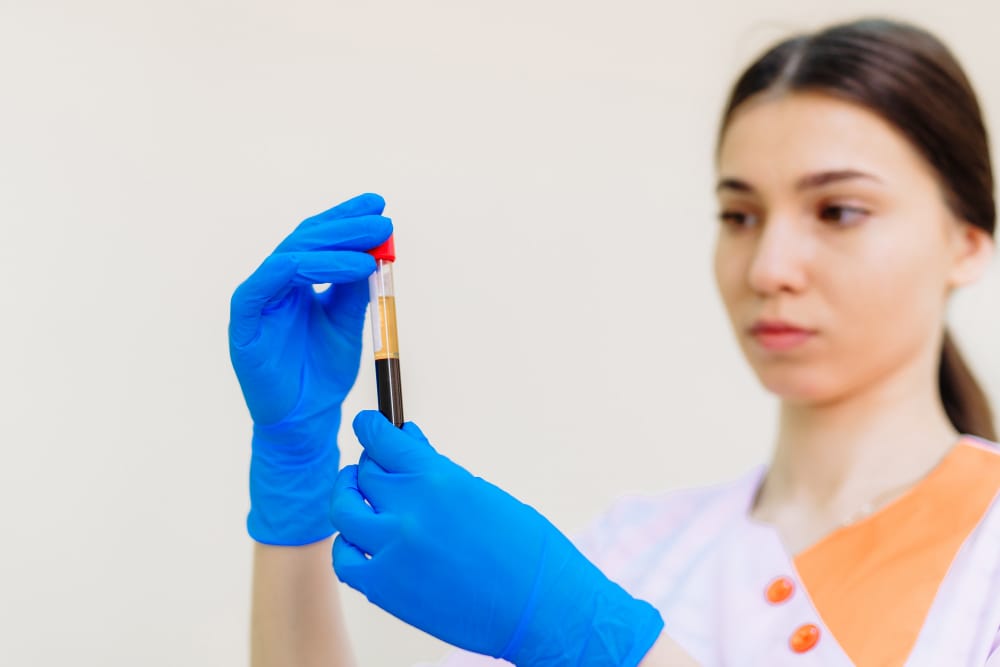
Platelet-rich plasma, or PRP, is a treatment that uses your body’s own healing ability to support repair and regeneration. It starts with a small blood draw, similar to a routine lab test. That sample is then placed in a centrifuge, which spins at high speed to separate the different components of your blood.
The part used for treatment is the platelet-rich plasma. This layer contains a high concentration of platelets, along with growth factors that play a role in tissue repair, collagen production, and cell renewal.
Once prepared, the PRP is carefully applied or injected into the target area. The way it is used depends on your concern:
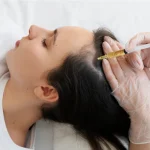
- For Hair Restoration, PRP is injected into the scalp to support hair follicles, improve blood flow, and encourage thicker, healthier growth over time
- For knee injections, PRP is placed into the joint to help reduce inflammation and support tissue healing
- When combined with CO2 laser resurfacing, PRP is applied to the skin after treatment to support recovery and enhance overall skin quality
The goal is not to force change but to stimulate your body’s natural processes. Over time, this can lead to gradual improvements in hair density, joint comfort, or skin texture, depending on the treatment area.
Because PRP works with your own biology, results are not instant. Most patients notice changes over weeks to months, especially when treatments are done as part of a recommended series.
What Does PRP Cost in Seattle?
The cost of PRP is not fixed. It depends on the area treated, how many sessions are needed, and whether PRP is used alone or combined with another treatment.
For hair restoration, clinics in Seattle often recommend a series rather than a single session. At PRP In Seattle, prp hair restoration seattle typically starts around $3,500 for a six-session plan when PRP is used alone. More advanced combinations such as PRP with exosomes or ACell, can increase the price because they involve additional biologic materials.
For joint-related treatments, pricing is usually lower per session but may still require multiple visits. prp knee injections seattle can start around $600 per session, with package pricing if more treatments are needed over time.
When PRP is paired with skin procedures, like CO2 resurfacing, the total cost reflects both treatments together. These are usually customized based on skin condition and treatment depth, which is why providers give quotes after a consultation rather than listing a flat price.
Many clinics offer financing options, which can make larger treatment plans more manageable. This helps patients complete a full series instead of spacing treatments out too far.
Is PRP Safe?
One of the main reasons PRP is appealing is that it uses your own blood. A small sample is drawn, processed in a centrifuge, and then reintroduced into the treatment area. Because of this, the risk of allergic reaction is low compared to synthetic injectables.
That said, it is still a medical procedure. You can expect temporary side effects such as redness, swelling, soreness, or mild bruising. For hair treatments, the scalp may feel tender for a short period. For joint injections, there can be stiffness or pressure in the area for a few days.
When PRP is combined with treatments like CO2 laser resurfacing seattle, recovery can feel more intense. Patients may experience peeling, dryness, or a sunburn-like sensation as the skin heals.
Safety also depends on proper patient selection. Not everyone is a candidate. People with certain blood disorders or clotting conditions may not be suitable for PRP. That is why a consultation is important. It is where your provider reviews your medical history and determines whether PRP is appropriate for you.
Does Insurance Cover PRP?
This is one of the most common misunderstandings.
In most cases, PRP is not covered by insurance. When used for cosmetic concerns like hair restoration or skin rejuvenation, insurers usually classify it as elective. That means patients are responsible for the full cost.
For PRP Hair Restoration Seattle, coverage is rarely approved unless hair loss is linked to a medical condition that meets specific insurance criteria. Even then, approval is not guaranteed.
Joint treatments can feel like they should be covered, especially when pain is involved. However, many insurance providers still consider PRP investigational. This includes treatments like prp knee injections seattle, where coverage is often denied or limited.
The best approach is to check directly with your insurance provider before scheduling. Clinics can sometimes guide you, but they cannot guarantee coverage. It is better to have a clear understanding of what you will pay out of pocket.
How to Evaluate If PRP Is Worth It
Cost alone does not tell the full story. PRP is usually part of a treatment plan, not a one-time fix. The value comes from how well it matches your goals.
For example, someone considering prp hair restoration seattle should think beyond the first session. Consistency and follow-up treatments often make the difference in results. The same is true for joint care and skin treatments.
Before moving forward, it helps to ask practical questions:
- How many sessions will I realistically need?
- What kind of results should I expect over time?
- How long is the recovery for my specific treatment?
- Are there alternatives I should consider?
These conversations help you decide based on clarity, not assumptions.
Final Thoughts
PRP is a modern treatment option that harnesses the body’s natural healing abilities. While not a universal solution, it can be highly effective for the right candidate in areas such as hair, joints, and skin.
Before proceeding, it is necessary to consider all aspects of the treatment, including cost, safety, and insurance coverage, as well as potential results. This is true whether you are exploring PRP for hair growth, investigating PRP for joint issues, or pairing it with laser skin resurfacing.
The necessary next step is a consultation with a qualified provider. They can assess your needs, offer a realistic cost breakdown, and help you determine if PRP aligns with your personal goals.
Start Your PRP Journey with the Right Team
Choosing PRP is not just about the treatment. It is about who performs it and how carefully your plan is built. At PRP In Seattle, your care is guided by board-certified surgeons and certified aestheticians who understand both the science and the artistry behind PRP treatments.
If you are considering PRP for hair restoration, joint relief, or skin rejuvenation, schedule a consultation to get a clear plan tailored to your goals. You will receive honest recommendations, transparent pricing, and care from a team focused on safe, consistent outcomes.
FAQs
How many PRP sessions do I actually need?
It depends on what you are treating. Hair restoration usually involves a series of treatments spaced a few weeks apart. Joint treatments may require fewer sessions, but some patients return for maintenance. Your provider will outline a plan based on your condition.
Is PRP painful?
Most patients describe it as uncomfortable rather than painful. For scalp treatments, you may feel pressure or mild stinging. For joint injections, it can feel like a deep ache for a short time. Clinics often use numbing methods to make the process easier.
When will I start seeing results?
PRP works gradually. Hair restoration can take a few months before changes become noticeable. Joint treatments may show improvement sooner, depending on inflammation and activity level. Skin treatments vary based on the procedure used alongside PRP.
Can I go back to work the same day?
In many cases, yes. Hair and joint treatments usually involve minimal downtime. If PRP is combined with something like co2 laser resurfacing seattle, you should expect a few days of visible recovery.
Is PRP better than other treatments?
It depends on your goal. PRP is one option, not the only option. Some patients combine it with other treatments for better results. The right choice comes down to your condition, expectations, and how your body responds.