FAQs
Is non-surgical hair restoration permanent?
Results from PRP and PRF treatments are not permanent in the same way a hair transplant may be. Hair loss can continue to progress, and maintenance sessions are typically recommended to sustain results. Many patients choose ongoing treatments every six to twelve months after completing the initial series.
How many sessions of PRP are needed?
The number of sessions varies by patient. Most initial treatment plans involve a series of three sessions spaced four to six weeks apart, followed by maintenance treatments. The aesthetician at PRP in Seattle will outline a specific plan during the consultation.
Is the treatment painful?
Most patients tolerate PRP and PRF injections well with a topical numbing agent applied beforehand. Mild sensitivity or scalp tenderness immediately following treatment is common and typically resolves within one to two days.
What is the recovery like after non-surgical hair restoration?
There is no significant downtime. Most patients resume normal activities, including work, the same day or the day after treatment. Strenuous exercise and direct sun exposure to the scalp are generally avoided for the first 24 to 48 hours.
When will results be visible?
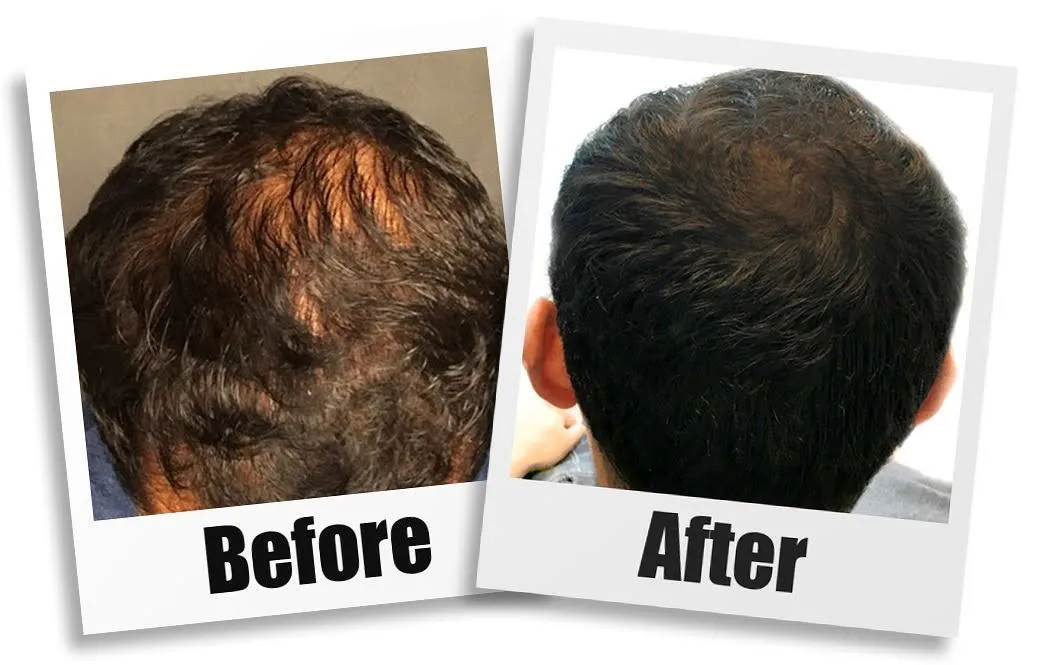
Hair growth is gradual. Many patients notice reduced shedding within the first four to eight weeks. More visible improvements in density and thickness are usually observed at the three to six month mark following treatment.
Can non-surgical hair restoration be used for female hair loss?
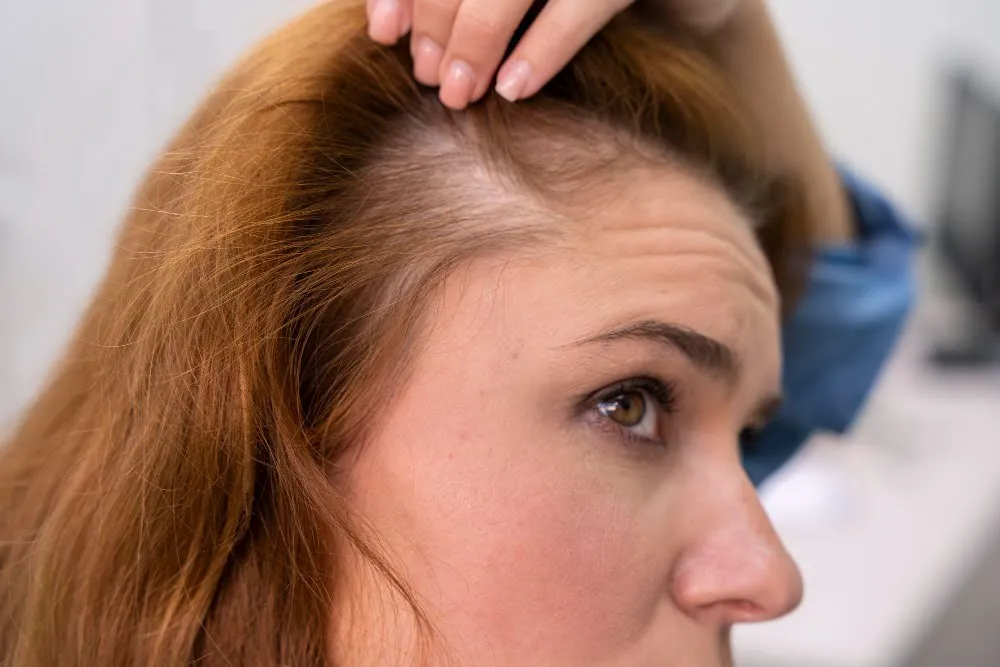
Yes. PRP and PRF are effective options for women experiencing hair thinning, postpartum shedding, or female pattern hair loss. PRP in Seattle provides hair restoration treatments for both men and women.
Does PRP work for hairline recession?
PRP can help support follicle activity in areas of early hairline recession. Results depend on the degree of recession and how long the follicles in that area have been inactive. A consultation helps determine whether this is a viable treatment area.