PRP for Crown Thinning in Seattle. Restore Density Without Surgery.
Crown hair loss doesn’t have to mean hair transplant surgery. PRP therapy stimulates your own follicles to thicken and strengthen thinning areas at the top of your scalp.

Crown hair loss doesn’t have to mean hair transplant surgery. PRP therapy stimulates your own follicles to thicken and strengthen thinning areas at the top of your scalp.
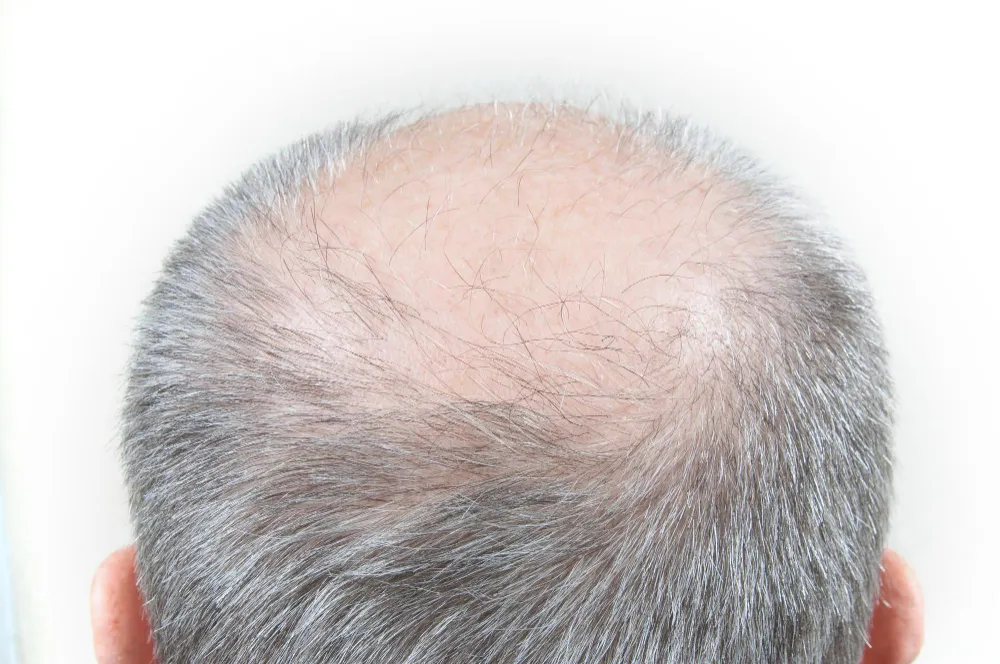
Noticing more scalp showing through at the crown can be discouraging. The thinning happens gradually. You might see it first under bright bathroom light or when you look down at the top of your head in a mirror. The hair feels thinner between your fingers. This is crown thinning, also called vertex thinning, PRP, and it’s different from a receding hairline because it happens at the very top of your scalp.
Many people try over-the-counter products, supplements, or topical treatments, hoping for improvement. Most deliver minimal results. When expectations aren’t met, confidence in appearance often suffers. You’re left searching for a real solution that actually works.
Crown hair loss treatment options are limited if you want to avoid surgery. That’s where PRP for crown thinning comes in. It’s a non-surgical approach that uses your body’s own healing ability to stimulate hair follicles. Through carefully placed PRP injections for crown thinning, areas with thinning coverage can gradually appear thicker and healthier over time.
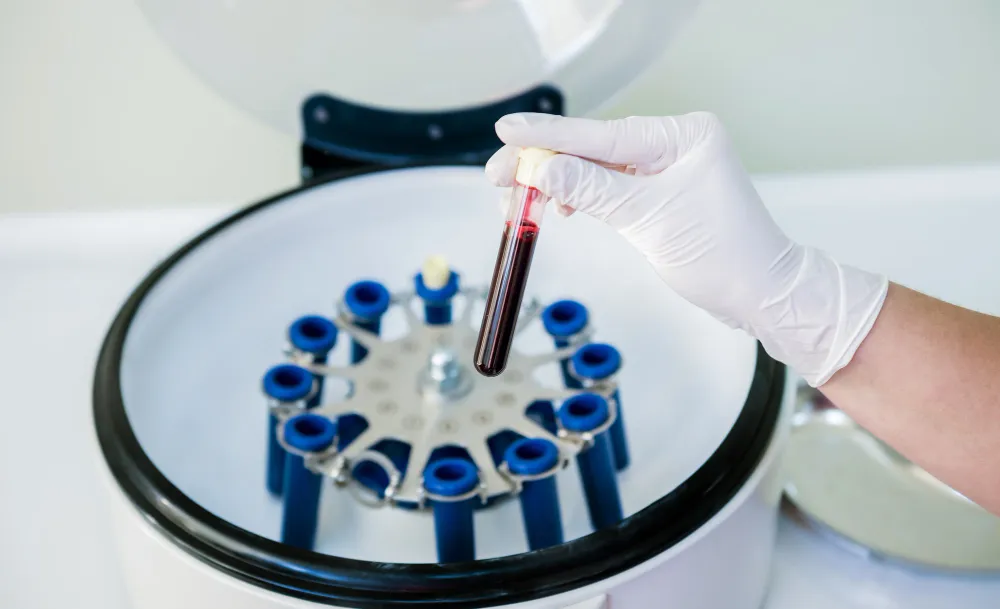
PRP (platelet-rich plasma) comes from your own blood. We draw a small sample from your arm, similar to a routine blood test. That sample goes into a centrifuge, a machine that spins at high speed to separate blood components. Platelets rise to the top. These platelets contain growth factors, natural proteins that tell your body to heal and regenerate.
We extract this concentrated platelet-rich plasma and inject it directly into the thinning areas of your crown. The growth factors work on hair follicles that have shrunk but are still alive. They stimulate these dormant follicles to enter the growth phase again. Over time, treated follicles produce thicker, stronger hair. The overall density of your crown improves.
This isn’t a one-time treatment. Hair grows in cycles. Most people need a series of sessions spaced four to six weeks apart. After the initial series, maintenance sessions every six to twelve months help sustain the results. The timeline matters because hair doesn’t grow overnight. You’re working with your body’s natural growth cycle, which takes time.
The reason PRP works for crown thinning is that you still have active follicles in that area. They’re just producing thinner hair because they have been miniaturized by DHT sensitivity or other factors. PRP doesn’t create new follicles.
If your parents or grandparents experienced hair loss, you’re more likely to as well. Hormonal sensitivity to DHT, a byproduct of testosterone, makes hair follicles shrink over time. This is why crown thinning is more common in men, though women experience it too.
As you get older, follicles produce thinner hair and shed more frequently. Stress, poor nutrition, and certain health conditions can accelerate thinning. Sleep deprivation and hormonal imbalances affect hair growth cycles. The crown area is particularly vulnerable because follicles there are genetically sensitive to DHT in ways that other scalp areas aren’t.
Understanding why your crown is thinning helps you understand why PRP works. If your thinning is caused by DHT sensitivity, PRP won’t change your genetics. But it can help follicles function better despite that sensitivity. If your thinning is caused by age or stress, PRP stimulates follicles to produce stronger hair.
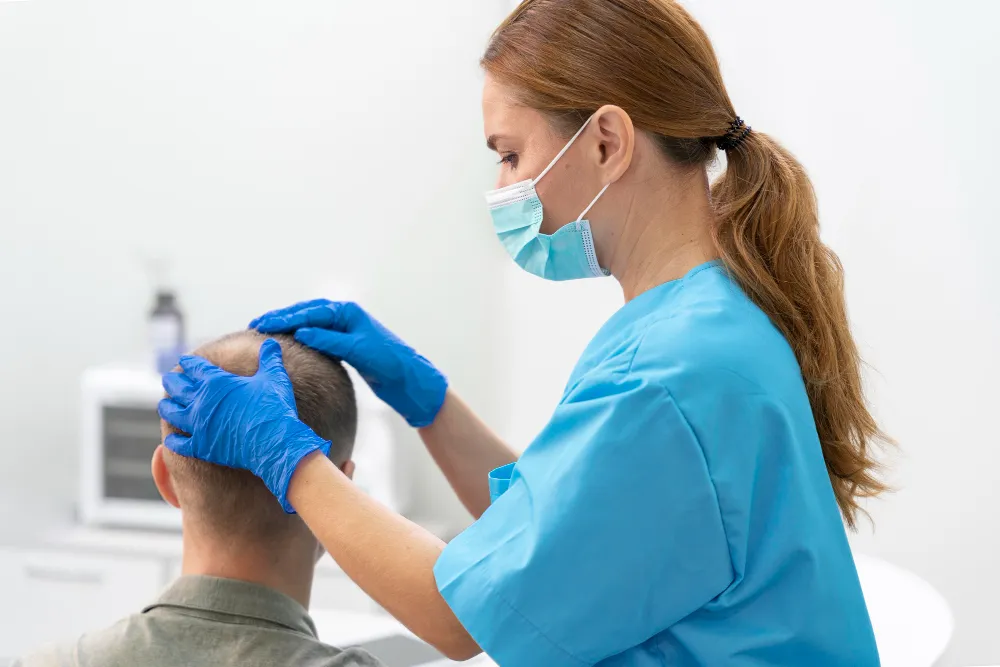
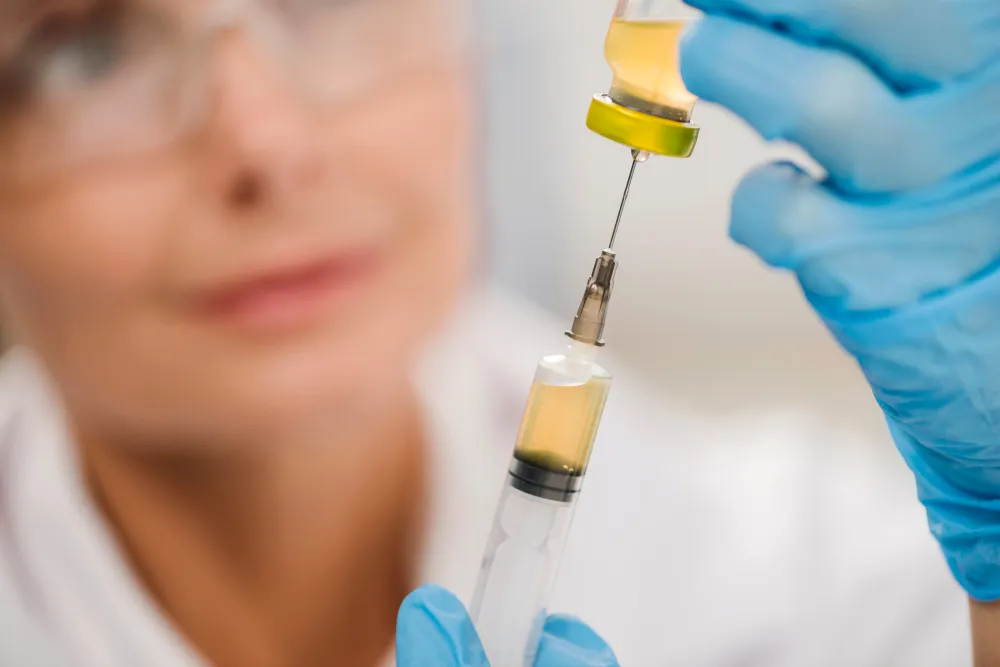
The treatment process is straightforward and takes about an hour from start to finish.
During your consultation, PRP in Seattle assesses your crown thinning pattern and determines if PRP is right for you. We examine the extent of thinning, check whether you still have active follicles in the area, and discuss your expectations. This is when we explain what results are realistic for your situation.
We draw a small amount of blood from your arm. This is the same as a routine blood test. The blood is placed in a sterile tube and centrifuged. This separates the platelet-rich plasma from other blood components. The entire process takes about 15 minutes.
Using a fine needle, we inject the PRP into the thinning areas of your crown. We target the areas where hair appears thin or sparse, delivering growth factors directly to the hair follicles. Most people describe the sensation as mild discomfort rather than pain. The scalp is numbed before injection to minimize any sensation.
After treatment, you can return to normal activities immediately. You might notice slight redness or mild tenderness at injection sites, but this resolves within a few hours. You can wash your hair normally the next day.
Most patients notice enhanced thickness and improved coverage after two to three sessions. More substantial results develop over three to six months as the treatment continues to stimulate hair growth.
In the first month or two, you will notice stabilization. Shedding may decrease. Your hair might feel slightly thicker. These are early signs that the treatment is working.
By months three and four, many patients begin to see new growth or stronger coverage in treated areas. The hair at your crown feels denser. The scalp shows through less noticeably.
By months five and six, most people see the full benefit of PRP therapy. The improvement is gradual and natural-looking. You’re going to notice that your crown looks fuller, that you can style your hair differently, and that the thinning is less noticeable.
PRP for crown thinning results vary based on how much thinning you had to begin with and how many active follicles remain in the crown area. Someone with early crown thinning sees more dramatic improvement than someone with severe baldness. This is why we are honest during consultation about what’s realistic for your situation.
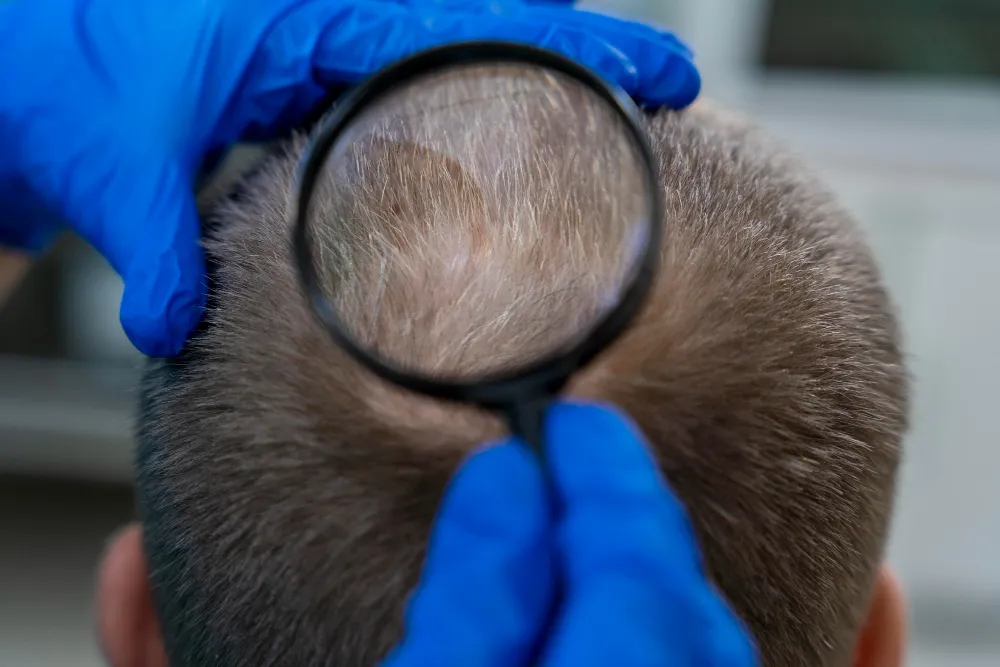

You may be a good candidate for PRP bald spot crown treatment if you:
During your consultation, your provider will review your medical history, examine the vertex hair loss area, and determine whether PRP is the right fit for your hair restoration goals. A personalized treatment plan will then be created based on your level of thinning and expected results.
PRP for crown thinning typically requires a series of treatments for the best results. Most patients begin with 4 to 6 sessions spaced 4 to 6 weeks apart. This allows time for your body to respond to each treatment before the next one.
The number of sessions may vary depending on the degree of thinning and your desired outcome. Patients with very sparse growth may need additional treatments to achieve optimal fullness. Patients with early thinning might see results with fewer sessions.
After completing your initial series, maintenance treatments every six to twelve months help preserve results over time. Think of maintenance like getting a haircut. You don’t cut your hair once and expect it to stay that way forever. You maintain it regularly. PRP works the same way.
PRP is one of several options for treating crown thinning. Understanding how it compares helps you make the right choice.
PRP versus hair transplant surgery is a common comparison. Hair transplants are surgical procedures where hair follicles are moved from one area of your scalp to another. They work well for significant baldness, but they’re invasive, expensive, and require recovery time. A non-surgical hair restoration crown is less expensive and has no downtime. PRP works best for early-to-moderate thinning. Hair transplants work better for severe baldness.
PRP versus minoxidil is another comparison. Minoxidil is a topical product you apply to your scalp daily. It works for some people but not others. Results are often modest. PRP delivers growth factors directly to follicles through injection, making it more potent than topical application. PRP requires fewer applications than minoxidil, which you use twice daily indefinitely.
Some clinics offer PRF, which is similar to PRP but processed differently. PRF has a higher fibrin concentration, which some believe makes it more effective. The difference between PRP and PRF is subtle. Both work through growth factor stimulation. PRP has more research supporting its effectiveness for hair loss.
We serve patients throughout Seattle, Bellevue, and Kirkland. Contact us now to discover how PRP for crown thinning can help you achieve natural, lasting hair growth results.
PRP for crown thinning offers a scientifically backed, natural solution for people seeking fuller, thicker hair at the crown without surgery. PRP treatment can improve crown thickness by stimulating hair growth at the hair follicle level. Many patients see visible improvement after several sessions of this minimally invasive procedure.
The key is starting early. The sooner you address vertex hair loss, the more follicles you have to work with. Early treatment delivers better results than waiting until thinning becomes severe.
Take the first step toward the fuller crown you deserve. Our experienced doctors specialize in PRP for crown thinning, providing personalized treatment plans tailored to your unique needs and realistic about what results you can expect.
With our board-certified cosmetic and facial plastic surgeon, Dr. Craig Jonov, we at Seattle Plastic Surgery Center welcome your questions and comments. Dr. Jonov has been recognized as Seattle’s top surgeon and is excited to help you achieve your unique aesthetic goals. Simply fill out the form with your procedure of interest, or any other questions you may have. We will get back to you within 24 hours. For immediate assistance please call (206) 279-2112.
Contact UsOur Seattle clinic offers personalized PRP treatments to help support fuller, healthier-looking hair. Call (206) 279-2112 or click here to book your consultation and take the next step toward renewed confidence.
PRP works best for early- to moderate-crown thinning, when you still have active follicles. If you have a completely bald spot with no hair growth, PRP is less likely to help. During consultation, we assess whether you have enough active follicles for PRP to be effective.
Most patients need four to six initial sessions spaced four to six weeks apart. Maintenance sessions every six to twelve months help sustain results. The exact number depends on your specific situation and how your follicles respond to treatment.
Results from PRP for crown thinning are long-lasting with proper maintenance. Without maintenance sessions, results typically last six to twelve months. With regular maintenance, you can sustain improvement indefinitely.
Yes. Crown thinning affects both men and women. Women often experience diffuse thinning across the entire scalp, including the crown. PRP works for women just as it does for men.
Most patients notice initial improvement within two to three months. More substantial results develop over three to six months. Hair growth takes time because you’re working with your body’s natural growth cycle.
Give us a call at (206) 279-2112. Chat by clicking the icon in the lower left hand corner of your screen. Otherwise, contact us by filling out the form above.

For a consultation call:
(206) 279-2112