PRP for Thinning Hair in Seattle

PRP for Thinning Hair in Seattle

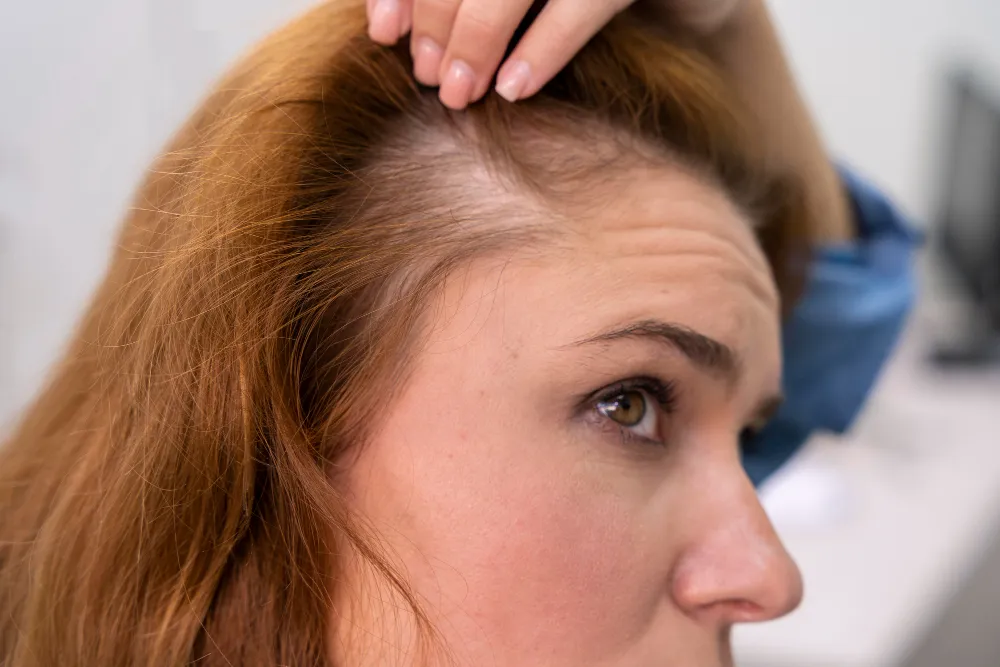
Hair thinning is often the first sign that something is changing with hair health. Many men and women in Seattle notice a widening part, reduced volume, increased daily shedding, or a scalp that is becoming more visible, long before baldness develops. Noticing these changes early can make a meaningful difference in treatment outcomes.

At PRP in Seattle, licensed aestheticians under the guidance of board-certified plastic and cosmetic surgeons, offer platelet rich plasma hair restoration in Seattle as a non-surgical option for patients experiencing early to moderate hair thinning. PRP for hair loss in Seattle uses growth factors derived from the patient’s own blood to support healthier follicles and encourage thicker, stronger hair growth.

What Is Hair Thinning?

Hair thinning and baldness are not the same thing. Thinning hair refers to a gradual reduction in hair density, strand diameter, or both. The overall amount of hair may appear similar at first, but individual strands become finer and the scalp grows more visible over time. Baldness, by contrast, refers to the complete or near-complete absence of hair in an area.

Understanding this distinction matters because thinning hair responds well to treatment at an earlier stage. Once follicles are inactive for an extended period, restoring growth becomes significantly harder.

What Is Hair Thinning?

Common Signs of Thinning Hair

  • A widening center part or visible scalp along the part line
  • Reduced ponytail volume or thinner braid thickness
  • Noticeably more hair in the shower drain, on a brush, or on pillows
  • A thinner crown area or visible scalp at the top of the head
  • A hairline that appears to be receding at the temples or forehead
  • Overall hair that looks flat or lacks its previous body

Why Early Treatment Matters

Hair follicles that are weakening but still active have a far greater potential for recovery than follicles that have fully miniaturized. Early hair loss treatment in Seattle gives patients the best opportunity to maintain existing density and potentially improve it. Waiting until hair loss is advanced narrows the range of effective options considerably.

How PRP Works for Thinning Hair?

PRP stands for Platelet-Rich Plasma. For patients dealing with PRP hair thinning in Seattle, the treatment offers a concentrated preparation derived from the patient’s own blood that contains elevated levels of growth factors, proteins, and other regenerative components. When injected into the scalp, these growth factors can stimulate hair follicles, improve the scalp environment, and support healthier, thicker hair growth.

How PRP Works for Thinning Hair

The PRP Treatment Process

  1. Blood Collection: A small amount of blood is drawn from the arm, similar to a standard lab draw.
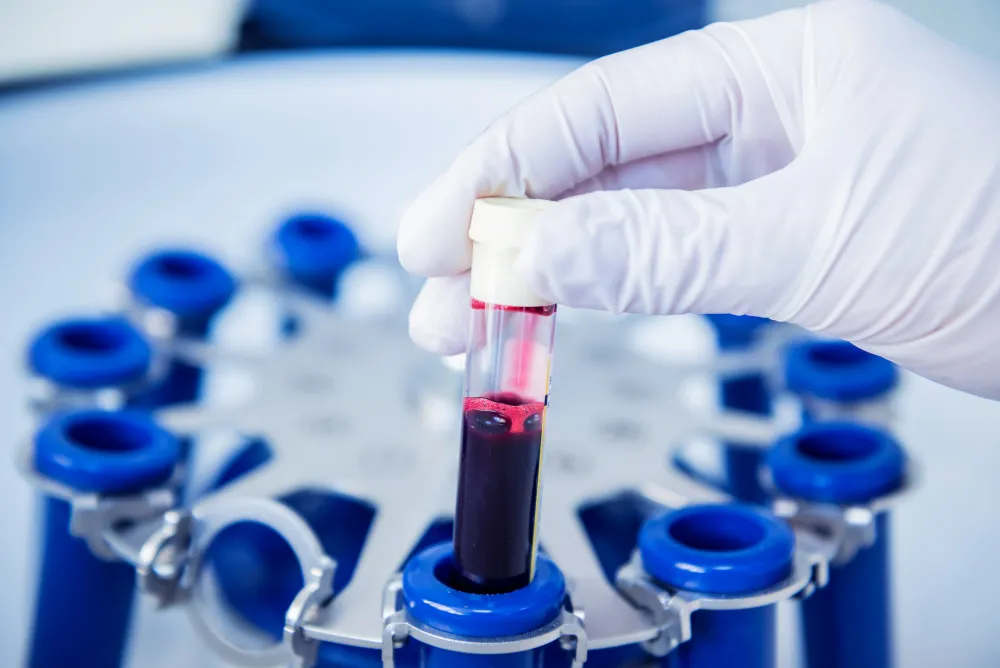
  2. Platelet Separation: The blood is placed in a centrifuge and spun to separate the platelets and plasma from red blood cells.
  3. Growth Factor Concentration: The resulting PRP contains platelets at a concentration significantly higher than standard blood, rich in platelet-derived growth factors.
  4. PRP Scalp Injections: PRP scalp injections in Seattle are administered at strategic points across the scalp in areas of thinning or reduced density.
  5. Follicle Stimulation: The growth factors signal follicles to shift from a resting state back into active growth and support improved circulation to the scalp.

Because PRP uses the patient’s own blood, it is a natural, biocompatible treatment with no risk of allergic reaction.

Who Is a Good Candidate for PRP for Thinning Hair?

PRP hair restoration is not a universal solution, and candidacy depends on the type, cause, and extent of hair thinning. A thorough consultation and scalp evaluation with a qualified provider is the appropriate first step to determine whether PRP is a suitable approach.

Patients who tend to respond well to PRP treatment include:

  • Men experiencing early male pattern hair loss with thinning at the crown or temples
  • Women with diffuse hair thinning across the scalp, particularly along the part line
  • Women experiencing postpartum hair shedding and reduced density after pregnancy
  • Patients noticing age-related reduction in hair thickness or density
  • Individuals who want non-surgical hair restoration and prefer to avoid medications or transplant surgery
  • Patients whose hair thinning is in an early to moderate stage with follicles that remain viable

Patients with significant scarring, advanced follicle miniaturization, or certain underlying medical conditions may require a different approach or a combination of treatments. A consultation allows providers to assess scalp health and recommend the most appropriate path forward.

Who Is a Good Candidate for PRP for Thinning Hair?

PRP for Male Hair Thinning

Male hair thinning most commonly follows a predictable pattern, with early changes appearing at the hairline, the temples, or the crown. For men in Seattle dealing with early hair loss, PRP scalp injections offer a non-surgical option to support existing follicles before the hair loss progresses.

PRP is not designed to restore a fully receded hairline, but it can be particularly effective at maintaining density in areas where follicles are active but weakening. For men noticing crown thinning or a gradually receding hairline, early PRP treatment may help slow the progression of male pattern hair loss and preserve the hair they still have.

Internal links: Learn more about PRP Hair Restoration for Men and PRP for Crown Thinning in Seattle.

PRP for Female Hair Thinning

Female hair thinning often looks different from male pattern hair loss. Women are more likely to experience diffuse thinning across the entire scalp rather than concentrated recession. Changes in hormone levels, such as those that occur during perimenopause, postpartum recovery, or thyroid dysfunction, can trigger or accelerate hair shedding and density loss.

Women experiencing a widening part, overall loss of volume, or hair that appears finer than it once was are often good candidates for PRP hair restoration. Because PRP works by supporting existing follicles rather than replacing lost hair, early intervention typically produces better results.

Internal link: Learn more about PRP Hair Restoration for Women.

Common Causes of Hair Thinning

Hair thinning has a range of contributing factors. Understanding the underlying cause helps guide treatment decisions and set realistic expectations for outcomes.

  • Genetics: Hereditary hair loss, also called androgenetic alopecia, is the most common cause of thinning hair in both men and women. It is influenced by sensitivity to dihydrotestosterone (DHT), a hormone that causes follicles to gradually miniaturize.
  • Aging: Hair growth cycles naturally slow with age. Strands may become finer and the time hair spends in the active growth phase shortens.
  • Hormonal Changes: Fluctuations in estrogen, progesterone, thyroid hormones, or androgen levels can all contribute to diffuse shedding or reduced density.
  • Stress: Significant physical or emotional stress can trigger telogen effluvium, a condition where large numbers of follicles shift into the resting phase simultaneously, leading to noticeable shedding.
  • Nutritional Factors: Deficiencies in iron, biotin, zinc, vitamin D, or protein can impair hair growth and lead to shedding or reduced strand thickness.
  • Medical Conditions: Autoimmune disorders, scalp conditions, and certain systemic illnesses can interfere with normal hair growth cycles.

Benefits of PRP for Thinning Hair

PRP hair restoration offers several advantages for patients dealing with hair thinning, particularly those who want a conservative, non-surgical approach.

  • Non-surgical: No incisions, sutures, or general anesthesia are required.
  • Minimal downtime: Most patients return to regular activities the same day or the following day.
  • Uses your own platelets: Because PRP is derived from the patient’s own blood, the risk of adverse reactions is very low.
  • Supports natural hair growth: PRP works with the body’s own regenerative processes rather than introducing synthetic chemicals.
  • May improve hair thickness: As a hair regrowth treatment in Seattle, PRP supports thicker, stronger individual hair strands over time through the action of concentrated growth factors.
  • Helps reduce hair shedding: PRP for hair shedding in Seattle has helped many patients notice a meaningful reduction in daily hair loss within the first few months of treatment.

Results vary between patients. No treatment can guarantee complete reversal of hair thinning, and PRP works best when started before significant follicle loss has occurred.

PRP Hair Restoration Timeline

First Month: The scalp adjusts to the initial treatment. Some patients experience a temporary increase in shedding during this phase, which is a normal part of the follicle cycle shift.

Months 2 to 3: Early signs of reduced shedding and early regrowth may become visible. Hair may begin to feel stronger.

Months 4 to 6: Improvement in hair density and thickness becomes more apparent. This is typically when patients report the most noticeable changes.

Long-Term Maintenance: Periodic maintenance sessions are recommended to sustain results. Most patients require ongoing treatment every 6 to 12 months, depending on their individual response.

Individual timelines vary. Patients with earlier-stage hair thinning tend to see results sooner and more prominently than those with more advanced loss.

PRP vs Other Treatments for Thinning Hair

Treatment Approach Invasiveness Best For
PRP for Thinning Hair Platelet-rich plasma scalp injections Minimally invasive Early to moderate thinning
Low-Dose Minoxidil Topical or oral medication Non-invasive Mild to moderate loss
Hair Transplant Surgical follicle relocation Surgical Advanced hair loss
PRF Hair Restoration Platelet-rich fibrin injections (slower release) Minimally invasive Similar to PRP candidates
Exosome Hair Restoration Stem cell-derived growth factors Minimally invasive Advanced biological support

PRP is often recommended as a first-line non-surgical option because it is well-tolerated, requires no downtime, and produces gradual, natural-looking results. It can also be combined with other treatments such as low-dose minoxidil or PRF for patients seeking a more comprehensive approach.

Why Patients Choose PRP for Early Hair Loss?

For many patients in Seattle, PRP is appealing precisely because it does not require surgery. There are no visible scars, no prolonged recovery, and no need to stop work or social activities. The procedure uses the body’s own biological material, which fits naturally into a broader philosophy of restorative, non-invasive care.

Perhaps most importantly, PRP supports the follicles that are already present. Rather than waiting until hair loss has progressed to a stage where transplant surgery becomes necessary, patients who begin treatment during the thinning phase are working to preserve what they have. This proactive approach consistently produces better long-term outcomes.

Why Choose PRP in Seattle for Hair Thinning Treatment?

PRP in Seattle is a dedicated hair loss treatment provider in Seattle, WA, led by board-certified surgeons and skilled licensed aestheticians with extensive experience in hair restoration and regenerative treatments. Patients looking for a trusted hair loss specialist in Seattle will find a team that focuses on each case individually rather than applying a one-size-fits-all protocol.

Hair thinning treatment in Seattle at PRP in Seattle is built around customized plans based on each patient’s scalp condition, degree of thinning, and goals. As a provider of non-surgical hair restoration in Seattle, the clinic offers a full spectrum of options, from PRP and PRF to exosome therapy and low-dose minoxidil, allowing providers to recommend the combination most appropriate for each case.

Ready to Schedule or Have a Question?

With our board-certified cosmetic and facial plastic surgeon, Dr. Craig Jonov, we at Seattle Plastic Surgery Center welcome your questions and comments. Dr. Jonov has been recognized as Seattle’s top surgeon and is excited to help you achieve your unique aesthetic goals. Simply fill out the form with your procedure of interest, or any other questions you may have. We will get back to you within 24 hours. For immediate assistance please call (206) 279-2112.

Contact Us

Schedule a Hair Thinning Consultation in Seattle

Noticing the early signs of hair thinning is the right moment to act. PRP in Seattle provides hair restoration consultations in Seattle, WA, for patients seeking a non-surgical, medically guided approach to thinning hair and hair density concerns.

During a consultation, providers will evaluate scalp health, discuss hair thinning history, and determine whether PRP or another regenerative treatment is the appropriate recommendation. The earlier hair thinning is addressed, the more options remain available.

Call (206) 279-2112 or complete an online consultation request to schedule an appointment at PRP in Seattle today.

FAQs 


Does PRP work for thinning hair?

PRP has shown positive outcomes for many patients with early to moderate hair thinning. It works best when follicles are still active but weakening. Clinical results vary, and a consultation with a qualified provider is the best way to assess whether PRP is appropriate for a specific situation.

How many PRP treatments are needed for hair thinning?

Most patients begin with an initial series of three sessions spaced four to six weeks apart. After the initial series, maintenance sessions are recommended every six to twelve months to sustain the results.

Is PRP effective for women with thinning hair?

Yes, women with diffuse hair thinning, hormonal hair loss, or postpartum shedding are among the patients who respond well to PRP. Because female hair loss often involves widespread density reduction rather than localized baldness, PRP scalp injections can address larger areas of the scalp effectively.

Can PRP help with a receding hairline?

PRP may support follicles in a mildly receding hairline area, particularly when thinning is early. However, PRP is not a replacement for transplant surgery in cases of significant recession. The outcome depends on whether viable follicles remain in the treated area.

How long does it take to see results from PRP hair restoration?

Most patients notice a reduction in shedding within the first two to three months. Visible improvement in density and thickness is typically observed between months four and six. Full results from an initial treatment series are generally assessed at the six-month mark.

Does PRP stop hair loss permanently?

PRP does not permanently stop hair loss. It supports existing follicles and can slow the progression of thinning, but the underlying causes of hair loss, such as genetics or hormonal changes, remain. Ongoing maintenance treatments help sustain the results over time.

Am I a candidate for PRP if my hair is thinning but not bald?

Patients experiencing early hair thinning, with or without visible baldness, are often the best candidates for PRP. The treatment is specifically designed to address the phase before significant hair loss has occurred, making it an ideal early-intervention option. A scalp evaluation with the providers at PRP in Seattle will confirm candidacy.


PRP Hair Restoration Case #2

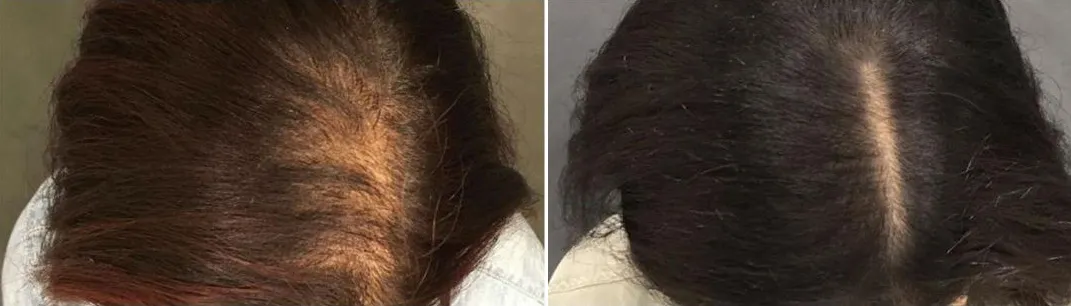
This is a 36-year-old woman who desired a fuller hair line. I performed Platelet Rich Plasma (PRP) injections throughout the hair line, which has gradually led to more fullness as seen here 3 months later.

PRP Hair Restoration Case #3

This is a 35-year-old male who on examination, he was losing hair in the frontal temporal, and crown. The results above are after 6 PRP with A-Cell treatments.

PRP With ACell Case #3

This woman was interested in treating the areas in which her hair was thinning. We successfully performed 6 hair PRP treatments with A-cell and she’s happy with the results she’s seen!

PRP With ACell Case #4

This is a 28 year old woman who was interested in treating the hair loss she has been experiencing. We successfully performed 6 hair PRP treatments with A-cell and have seen a significant change!

PRP With ACell Case #5

This is a 26-year-old male who had hair thinning in the occipital, crown parietal and temporal regions. The before and after are after 6 sessions of PRP with A-Cell treatment.

PRP With ACell Case #6

This is a 36 year old man who was interested in treating his thinning hair. We successfully performed 6 hair PRP treatments with A-cell and have seen a great change.

PRP With ACell Case #7

This 28-year old woman was interested in having hair PRP treatments to help the hair loss she had experienced. We successfully completed 6 PRP treatments with A-cell.

PRP With ACell Case #8

Patient is a 36-year-old male who came to us with concerns about hair loss. He elected for a series of PRP + ACell treatments over an 8 month period. Results show drastic improvement after 6 treatment sessions.

PRP With ACell Case #9

This patient was experiencing the early signs of female pattern baldness. Since she was young and the hair loss was mild, she started with non-surgical hair restoration. After 6 sessions of PRP with ACell injections the patient could not be happier with her results.