
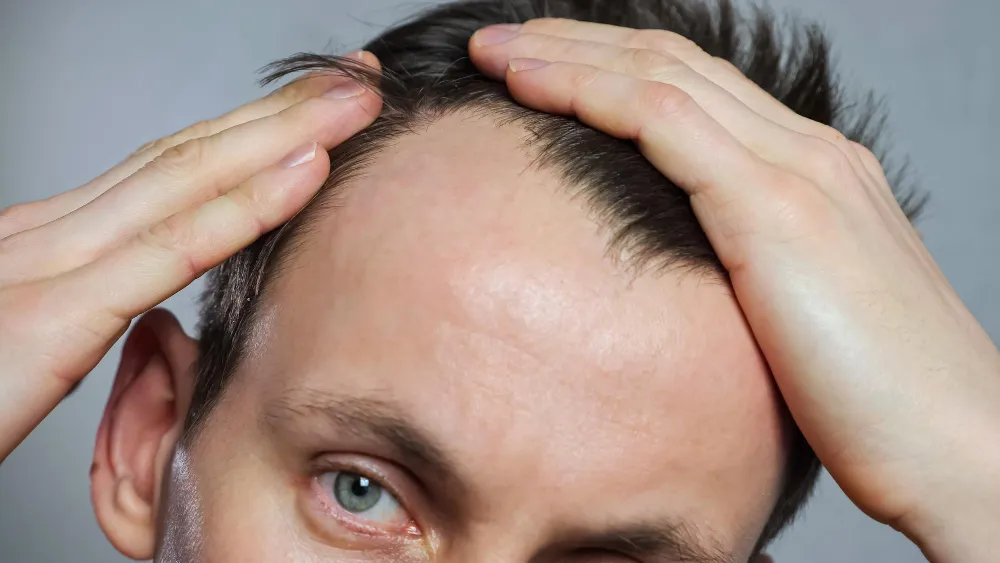
PRP for Hairline Recession in Seattle

A receding hairline often shows up before any other sign of hair loss. The temples thin first, the frontal edge softens, and the part line creeps backward. For many patients in Seattle, this stage is the right time to act, and PRP (platelet-rich plasma) therapy offers a non-surgical way to support follicle health before recession progresses.

At PRP in Seattle, patients receive regenerative hair therapy designed to slow frontal hairline thinning, improve hair density, and encourage healthier hair growth cycles. The treatment is performed by Our Licensed Aestheticians, trained and certified in platelet-rich plasma therapy and non-surgical hair restoration, serving patients across Seattle, Bellevue, and Kirkland.
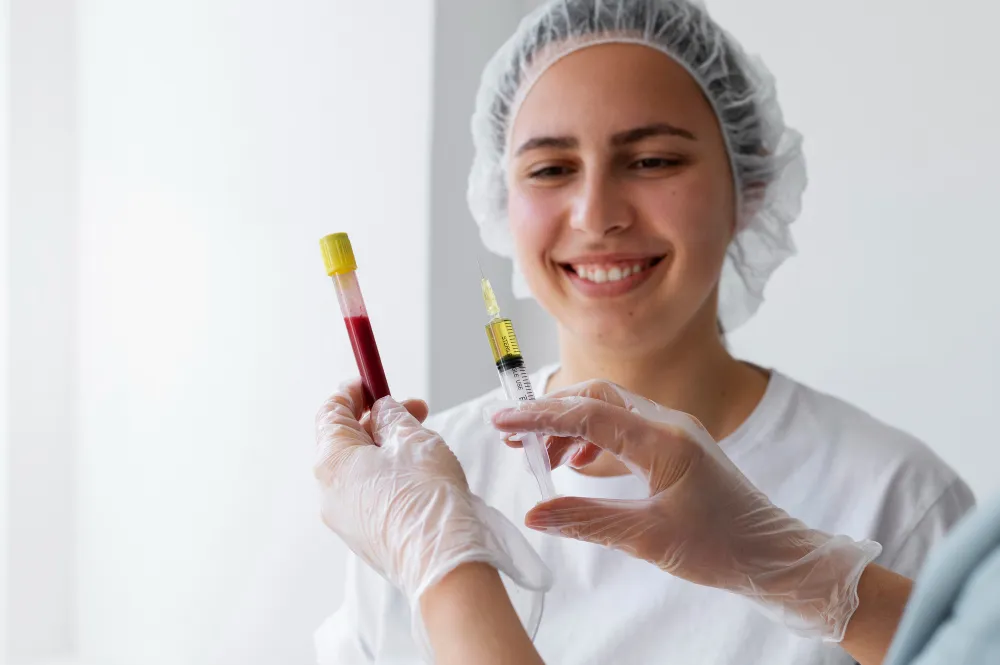
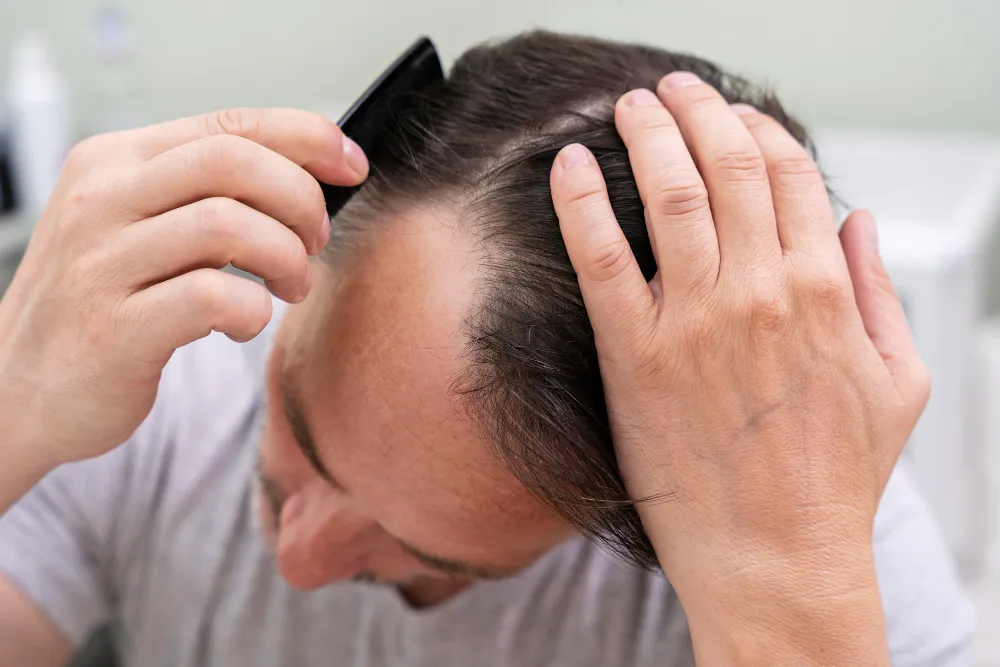
Why patients choose PRP for hairline recession:

  • Minimal downtime after each session
  • Natural growth factor therapy using the patient’s own blood
  • Suitable for both men and women
  • Helps slow the progression of frontal recession
  • No surgery, no scarring, no general anesthesia

What Causes Hairline Recession?

Hairline recession is rarely caused by one factor. In most cases, several overlap.

Cause

How It Affects the Hairline

DHT sensitivity

Shrinks follicles along the temples and frontal scalp

Genetics

Determines the pattern and timing of hair loss

Hormonal shifts

Postpartum, menopause, and thyroid changes weaken follicles

Stress

Triggers telogen effluvium and accelerates shedding

Traction and styling

Tight ponytails, braids, and extensions damage frontal hairs

Aging

Slows the hair growth cycle and reduces shaft thickness

Men typically see an M-shaped recession beginning at the temples and widow’s peak. Women more often experience diffuse frontal thinning, where the part widens and the hairline behind the forehead loses density rather than retreating sharply.

How PRP Helps a Receding Hairline

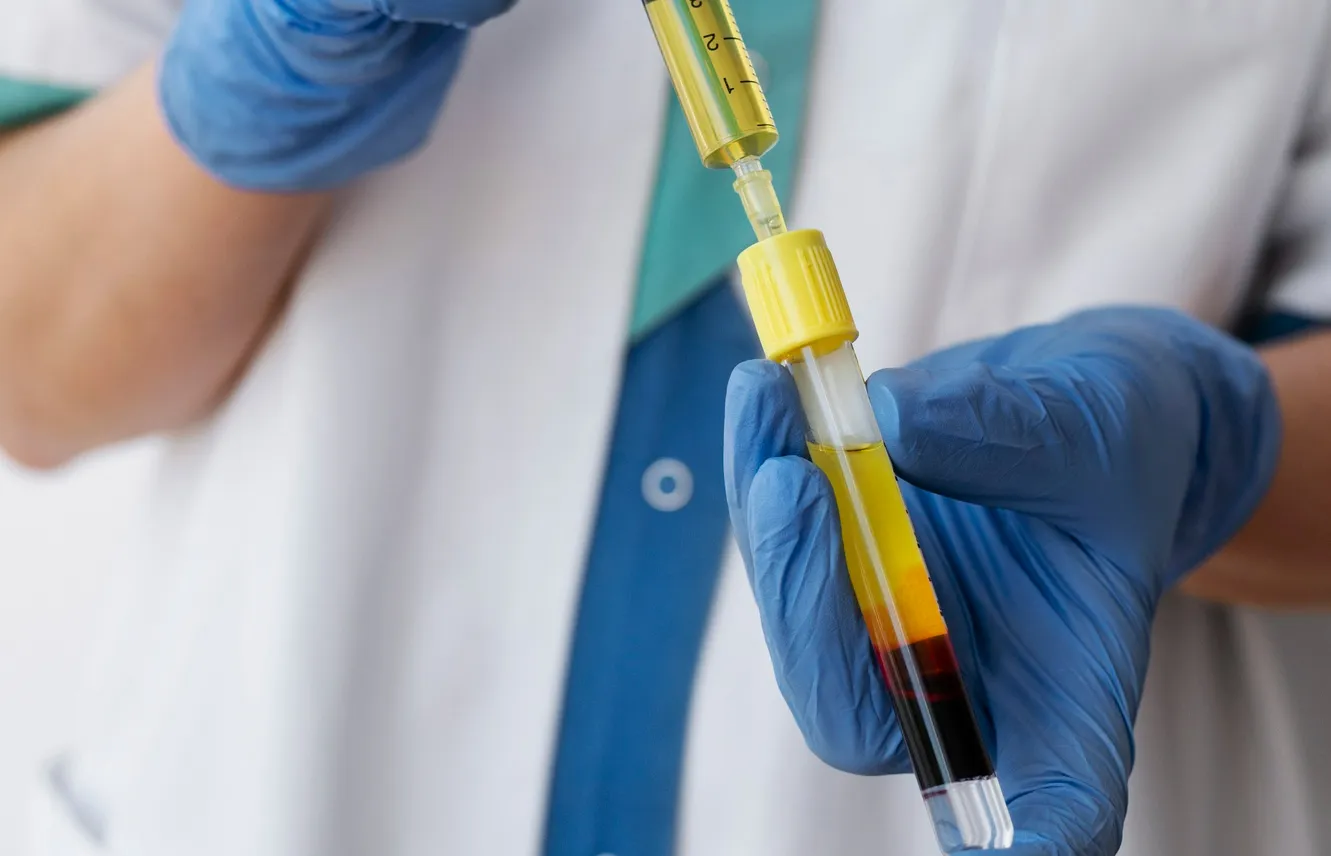
PRP therapy uses a concentrated portion of the patient’s own blood, rich in platelets and growth factors, to support weakened follicles along the frontal scalp.

Once injected into the hairline, the growth factors:

  • Stimulate dormant follicles still capable of producing hair
  • Improve local blood supply to the scalp
  • Extend the active (anagen) phase of the hair growth cycle
  • Reduce miniaturization of thinning follicles
  • Support thicker, healthier hair shafts over time

Unlike topical foams or oral supplements that work systemically, PRP delivers concentrated growth factors directly to the area of recession. It is often used alongside low-dose minoxidil or exosome therapy for compounded benefit.

Who Is a Good Candidate for PRP?

PRP works best for patients with active follicles and early to moderate recession. Ideal candidates include:

  • Men with early temple or frontal recession
  • Women with frontal thinning or a widening part
  • Patients noticing increased shedding along the hairline
  • Anyone wanting a non-surgical hair restoration option
  • Patients not yet ready for, or not interested in, a hair transplant

PRP is less effective in areas of complete baldness where follicles have been inactive for years. A consultation determines candidacy based on scalp health, family history, and the stage of recession.

Areas Commonly Treated

PRP for hairline recession in Seattle is most often performed on:

  • Temples — where recession typically begins
  • Frontal hairline — to improve density along the front edge
  • Widow’s peak — to slow recession around the central point
  • Diffuse frontal thinning — common in women with a widening part

Treatment is customized based on the pattern and stage of hair loss.

The PRP Treatment Process

Each session at PRP in Seattle follows a consistent, evidence-based protocol.

  1. Consultation. Scalp evaluation, medical history, and discussion of goals.
  2. Blood draw. A small sample is taken, similar to a routine lab draw.
  3. PRP preparation. The blood is processed in a centrifuge to isolate the platelet-rich layer.
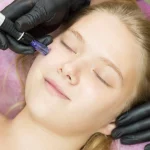
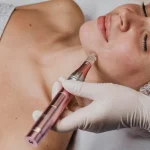
  4. Scalp injections. PRP is injected into the hairline, temples, and any thinning frontal zones using fine needles.
  5. Post-treatment care. Patients receive aftercare guidance and a schedule for follow-up sessions.

Most appointments take 45 to 60 minutes. Topical numbing is applied before injection to keep the experience comfortable.

Results and Realistic Expectations

PRP results develop gradually as follicles cycle into a healthier growth phase.

Timeline

What to Expect

First 4 to 6 weeks

Reduced shedding, scalp feels healthier

3 months

Early signs of improved density

4 to 6 months

Visible thickening along the hairline

6 to 12 months

Peak results from initial treatment series

Ongoing

Maintenance sessions every 4 to 6 months

Most patients complete a series of 3 to 4 sessions spaced 4 to 6 weeks apart, followed by maintenance. Results vary based on age, genetics, and the stage of recession at the start of treatment.

PRP vs Hair Transplant for Hairline Recession

Factor

PRP Therapy

Hair Transplant

Type

Non-surgical injection

Surgical follicle relocation

Best stage

Early to moderate thinning

Established recession or baldness

Downtime

Minimal

7 to 14 days

Sessions

Series plus maintenance

Usually one procedure

Cost

Lower per session

Higher upfront

Goal

Preserve and stimulate existing follicles

Replace lost follicles

PRP is the right starting point for most patients with active follicles. Hair transplants become relevant when recession is advanced and stable.

Recovery and Downtime

PRP for hairline recession requires very little recovery. Patients can expect:

  • Mild redness or tenderness at injection sites for 24 to 48 hours
  • Slight scalp tightness the first day
  • No bandages, no shaving, no scarring
  • Return to work and most activities the same day

Patients are advised to avoid heavy workouts, swimming pools, and hair products with strong chemicals for 24 to 48 hours. The [U.S. Food and Drug Administration’s information on platelet-rich plasma](https://www.fda.gov/vaccines-blood-biologics/safety-availability-biologics) outlines current regulatory context for autologous blood products like PRP.

Schedule a Hairline Restoration Consultation in Seattle

Hairline recession responds best to early action. The longer follicles stay miniaturized, the harder they are to recover. PRP therapy offers a proven non-surgical path to support frontal hair density, slow the progression of recession, and preserve the hairline patients want to keep.

PRP in Seattle serves patients across Seattle, Bellevue, and Kirkland with regenerative hair therapy customized to each scalp. To learn whether PRP is the right option, book a consultation with Our Licensed Aestheticians, review the before and after gallery, and start a treatment plan built around long-term hair health.

Ready to Schedule or Have a Question?

With our board-certified cosmetic and facial plastic surgeon, Dr. Craig Jonov, we at Seattle Plastic Surgery Center welcome your questions and comments. Dr. Jonov has been recognized as Seattle’s top surgeon and is excited to help you achieve your unique aesthetic goals. Simply fill out the form with your procedure of interest, or any other questions you may have. We will get back to you within 24 hours. For immediate assistance please call (206) 279-2112.

Contact Us

FAQs 


Does PRP work for receding hairlines?

Yes, when follicles along the hairline are still active. PRP is most effective for early to moderate frontal recession.

How many sessions are needed?

Most patients start with 3 to 4 sessions spaced 4 to 6 weeks apart, followed by maintenance every 4 to 6 months.

Is PRP painful?

Discomfort is minimal. Topical numbing is applied before injection, and most patients describe the sensation as brief pressure or a light pinch.

Can PRP regrow a hairline?

PRP can improve density and reactivate weakened follicles, but it does not create new follicles where none exist. Realistic outcomes include thicker hairs, reduced shedding, and a fuller-looking hairline.

How long do results last?

With consistent maintenance, results can last for years. Without maintenance, the underlying causes of hair loss continue and density gradually declines.

Is PRP safe?

PRP uses the patient’s own blood, which eliminates the risk of allergic reaction or rejection. Side effects are limited to mild swelling or redness.

PRP Hair Restoration Case #2

This is a 36-year-old woman who desired a fuller hair line. I performed Platelet Rich Plasma (PRP) injections throughout the hair line, which has gradually led to more fullness as seen here 3 months later.

PRP Hair Restoration Case #3

This is a 35-year-old male who on examination, he was losing hair in the frontal temporal, and crown. The results above are after 6 PRP with A-Cell treatments.

PRP With ACell Case #3

This woman was interested in treating the areas in which her hair was thinning. We successfully performed 6 hair PRP treatments with A-cell and she’s happy with the results she’s seen!

PRP With ACell Case #4

This is a 28 year old woman who was interested in treating the hair loss she has been experiencing. We successfully performed 6 hair PRP treatments with A-cell and have seen a significant change!

PRP With ACell Case #5

This is a 26-year-old male who had hair thinning in the occipital, crown parietal and temporal regions. The before and after are after 6 sessions of PRP with A-Cell treatment.

PRP With ACell Case #6

This is a 36 year old man who was interested in treating his thinning hair. We successfully performed 6 hair PRP treatments with A-cell and have seen a great change.

PRP With ACell Case #7

This 28-year old woman was interested in having hair PRP treatments to help the hair loss she had experienced. We successfully completed 6 PRP treatments with A-cell.

PRP With ACell Case #8

Patient is a 36-year-old male who came to us with concerns about hair loss. He elected for a series of PRP + ACell treatments over an 8 month period. Results show drastic improvement after 6 treatment sessions.

PRP With ACell Case #9

This patient was experiencing the early signs of female pattern baldness. Since she was young and the hair loss was mild, she started with non-surgical hair restoration. After 6 sessions of PRP with ACell injections the patient could not be happier with her results.