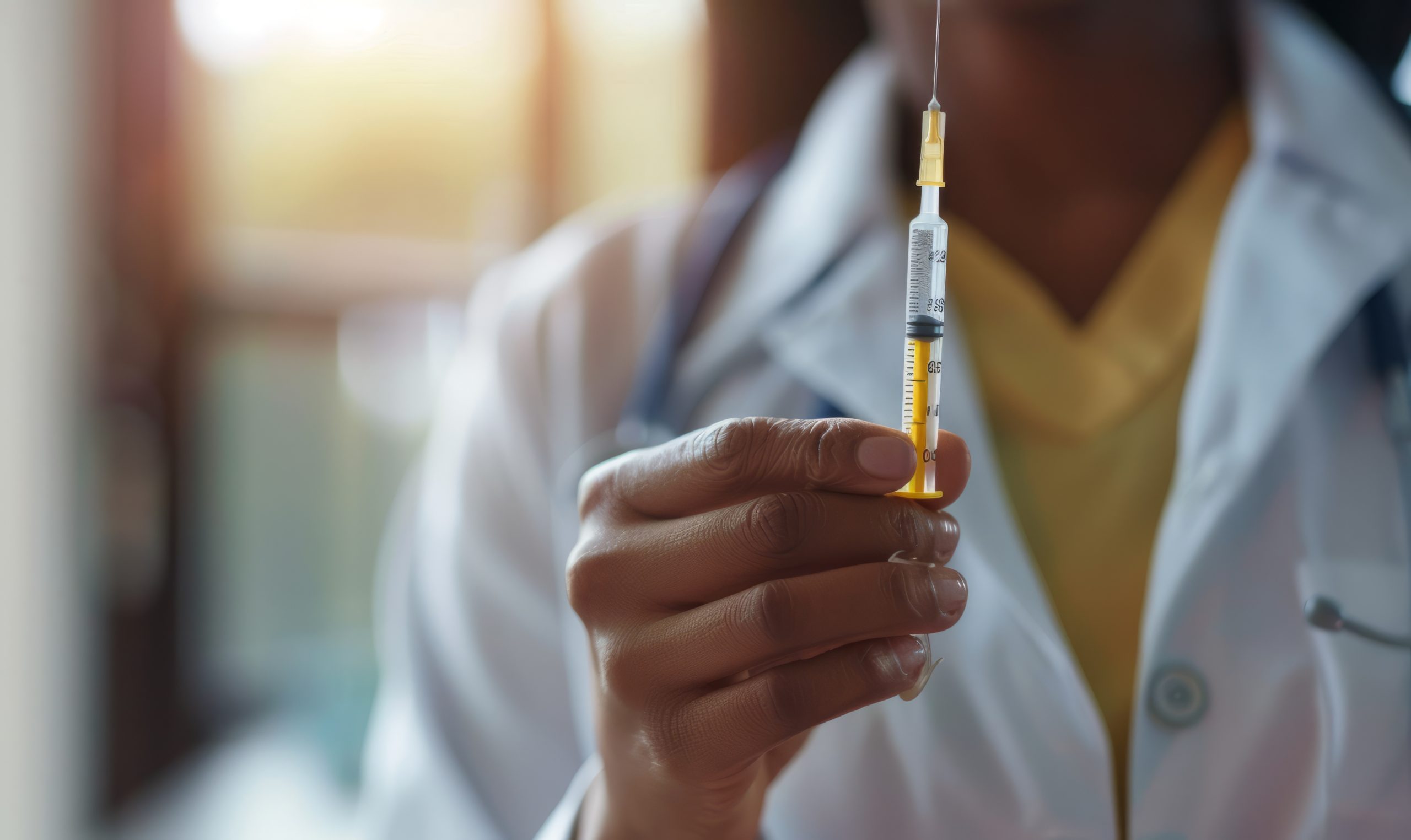
The recovery period after a PRP injection generally lasts three to seven days for the initial soreness and swelling to subside, and the full effects develop over three to six months as new tissue and collagen form. The place of the treatment, the condition being treated, and the degree to which the patient adheres to the aftercare instructions all influence the particular recovery timetable.
The guide includes a complete account of the healing timeline for PRP injections in Seattle, details the factors which cause it to speed up or slow down, and also covers the aftercare measures that make the greatest difference.
At the PRP clinic in Seattle, all treatments are carried out by our Licensed Master Aestheticians who work under the guidance of Board-certified Plastic Surgeons, so the information below is based on the actual experiences of patients in the clinic.
How Do PRP Injections Work?
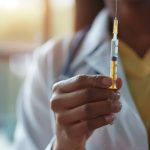
PRP therapy starts with a simple blood draw. The blood is spun in a centrifuge to separate and concentrate the platelets, which carry growth factors that signal the body to repair tissue, build collagen, and reduce inflammation. That concentrated plasma is then injected into the treatment area, whether that is the scalp for hair restoration, the face for skin rejuvenation, or a joint or tendon for orthopedic support.
Because PRP comes from the patient’s own body, the risk of allergic reaction is very low. The injection process still creates a short recovery window that every patient should plan for.
What Does the PRP Recovery Timeline Look Like?
Recovery follows a fairly predictable pattern for most patients:
| Timeframe | What to Expect? |
| First 24 to 48 hours | Mild swelling, redness, tenderness, or bruising at the injection site |
| Days 3 to 7 | Soreness fades; most patients return to normal daily activity |
| Weeks 2 to 4 | Early improvements begin; discomfort resolves for most people |
| Months 1 to 3 | Collagen production and tissue repair build steadily |
| Months 3 to 6 | Full results become visible, especially for hair, skin, and tendon treatments |
PRP works on the body’s own healing schedule rather than overnight. Soreness typically resolves within a week, while the fuller results develop over three to six months as new tissue forms.
Most patients receiving PRP injections in Seattle return to work the same day or the next. Cosmetic treatments like facial PRP or hair restoration involve less downtime than orthopedic injections into tendons or ligaments, which may need seven to ten days of reduced activity.
What Factors Affect PRP Recovery Time?
The recovery timeline for Seattle PRP injections depends based on a handful of variables unique to each patient.
- Treatment location: Facial and scalp injections heal fastest, often within two to three days. Joint injections cause soreness for three to five days, while tendon and ligament treatments can stay tender for seven to ten days.
- Severity of the condition: Minor concerns respond within one to two weeks. Chronic tendon injuries or severe hair thinning may need three to six months and multiple sessions.
- Number of injection sites: Treating several areas in one visit can extend the initial soreness period.
- Platelet concentration and technique: Higher-quality PRP preparation and precise injection placement improve both healing speed and final results.
- Age and overall health: Younger patients and those in good baseline health tend to produce stronger platelet activity and heal faster.
- Aftercare compliance: Hydration, rest, and avoiding anti-inflammatory medications all support a smoother recovery.
What Are the Dos and Don’ts of PRP Aftercare?
Patients recovering from PRP injections in Seattle often ask which aftercare habits matter most in the first week.
Do:
- Drink plenty of water to support platelet activity and tissue repair
- Rest the treated area for the first 24 to 48 hours
- Use a cold compress for swelling if approved by the provider
- Sleep with the head elevated after facial or scalp PRP
- Follow the provider’s specific activity guidelines
Don’t:
- Take NSAIDs like ibuprofen or aspirin for at least one week, since they blunt the inflammatory response PRP depends on
- Exercise intensely for 48 to 72 hours after treatment
- Wash or touch the treated area for the first several hours after scalp or facial PRP
- Use saunas, hot tubs, or steam rooms for the first few days
- Drink alcohol or smoke during the initial recovery window, since both slow healing
Skipping anti-inflammatory medication is the most commonly overlooked aftercare rule. PRP relies on controlled inflammation to trigger repair, and blocking that response can limit the results.
How Does Recovery Differ by Treatment Type?
Recovery specifics for Seattle PRP injections vary depending on whether the treatment targets hair, skin, or joints.
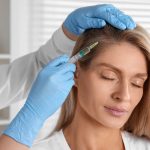
PRP for hair restoration: Scalp tenderness usually lasts one to two days, and most patients can wash their hair after 24 hours. New growth typically appears between three and six months, with most treatment plans built around three to four sessions spaced a month apart.
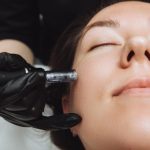
PRP facial treatments: Redness and mild swelling last two to four days. Makeup can usually go on after 24 to 48 hours. Skin texture and color improve gradually over four to twelve weeks as collagen rebuilds.
PRP for joints and tendons: Soreness can temporarily increase for the first few days before improving. Light activity resumes within a week, but full recovery for tendon and ligament injuries often takes three to six months. Physical therapy is frequently recommended alongside treatment.
When Do Results Show Up?
Early changes, such as reduced shedding after hair treatments or subtle skin brightening, often appear within four to six weeks. The most visible improvements arrive between months three and six, once collagen remodeling and tissue regeneration are well underway.
Many treatment plans include a series of two to four sessions spaced four to six weeks apart, followed by maintenance visits once or twice a year. Providers typically build the plan around the patient’s goals and how their body responds.
Ready to Schedule a PRP Consultation in Seattle?
Choosing an experienced provider is the single best way to shorten recovery and get the strongest results. At PRP in Seattle, Our Licensed Master Aestheticians working under the guidance of Board-certified Plastic Surgeons deliver every treatment with accurate technique, medical-grade PRP preparation, and a personalized aftercare plan.
Patients considering Seattle PRP injections for hair restoration, facial rejuvenation, or tissue repair can start with a consultation. Call PRP in Seattle today or book online to find out if PRP is the right fit, along with a recovery plan built around individual goals and schedule.
What Do Patients Ask About PRP Recovery?
How long does PRP injection recovery take?
Initial soreness lasts three to seven days for most patients, while full results develop over three to six months as tissue repair continues.
Can patients go back to work after a PRP injection?
Most patients return to work that same day or the day after. Orthopedic PRP may call for a few days of limited activity, depending on the treated area.
Why avoid ibuprofen after PRP?
NSAIDs suppress the inflammatory process PRP uses to stimulate healing. Acetaminophen (Tylenol) is generally the preferred option for discomfort, though patients should confirm with their provider.
Is PRP recovery painful?
Discomfort is usually mild, described as soreness or tightness at the injection site, and it typically resolves within a week.
How many PRP sessions are needed?
Most treatment plans include two to four sessions spaced four to six weeks apart, though this varies by condition and individual response.