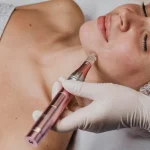
Uneven skin texture, acne scars, enlarged pores, and fine lines can make skin appear less smooth and refreshed. Microneedling with PRP is a treatment option that combines controlled microneedling with platelet-rich plasma (PRP) to support the skin’s natural healing process and improve its overall appearance.
For individuals considering a PRP Facial in Seattle, understanding how this treatment works, its potential benefits, and what to expect during recovery can help determine whether it fits their skincare goals.
How Does Microneedling With PRP Work?
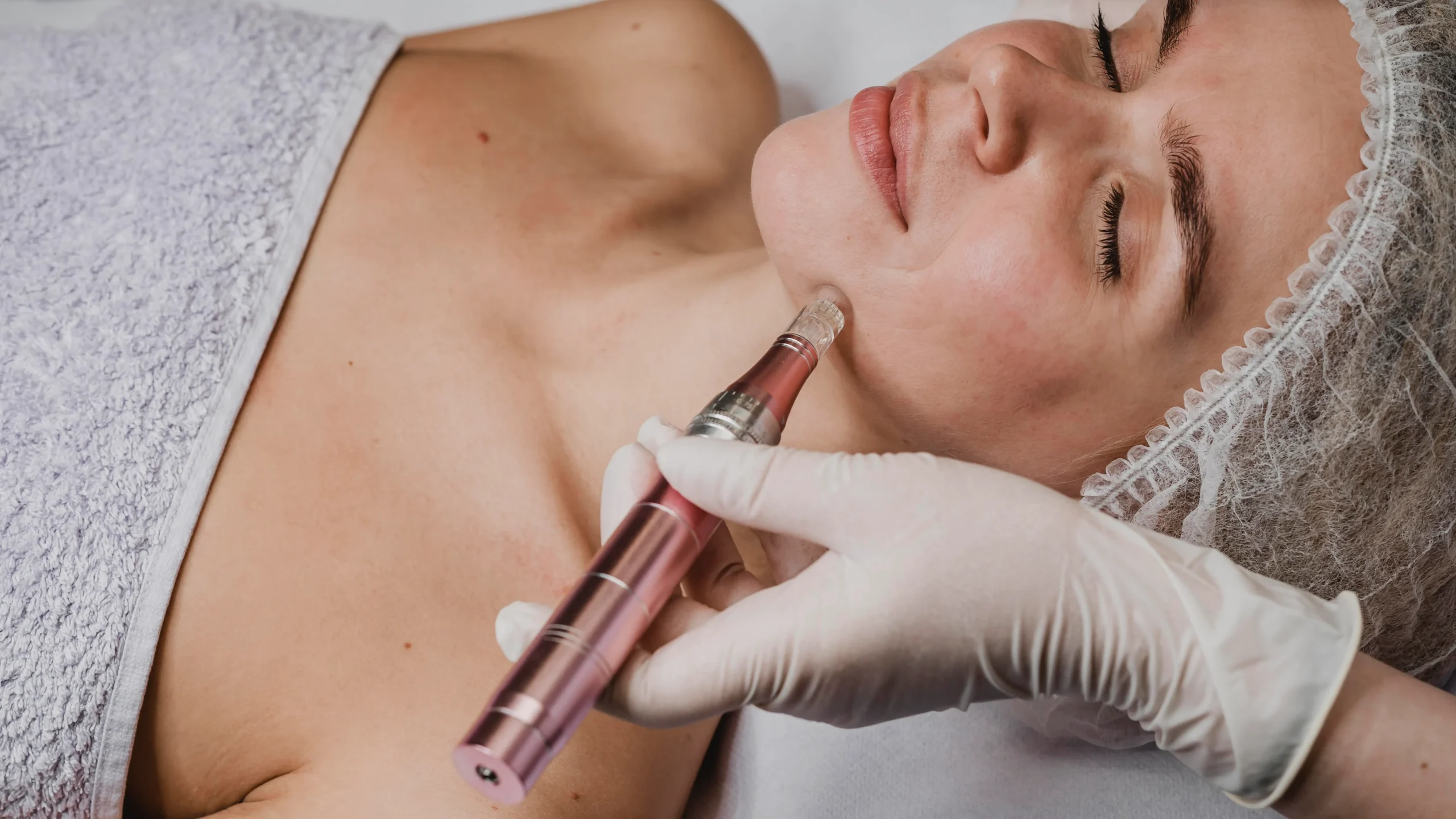
Microneedling uses fine needles to create tiny, controlled micro-injuries in the skin. This process stimulates the body’s natural healing response and supports collagen and elastin production, which are important for skin firmness and texture.
Platelet-rich plasma is prepared from a small sample of the patient’s blood. The sample is processed to concentrate platelets, which contain growth factors involved in tissue repair. When combined with microneedling, PRP is used to complement the skin’s natural recovery process.
The goal of microneedling with PRP is to encourage smoother-looking skin, improve uneven texture, and support a more refreshed appearance over time.
What Skin Concerns Can PRP Microneedling Address?
A PRP Facial in Seattle may be considered by people looking to improve several common skin concerns.
- Acne scars: Treatment may help soften the appearance of certain types of acne scars over multiple sessions.
- Uneven skin texture: Collagen stimulation may gradually improve rough or irregular areas.
- Fine lines: Improved skin quality may make some fine lines appear less noticeable.
- Enlarged pores: Smoother skin texture may help pores appear less prominent, although pores cannot be permanently eliminated.
- Dull-looking skin: The treatment may support a healthier-looking, more refreshed complexion.
Results vary depending on skin type, the severity of the concern, treatment technique, and individual healing response. Deeper scars or significant skin laxity may require additional or alternative treatments.
What Are the Benefits of Microneedling With PRP?
One potential benefit of microneedling with PRP is that it combines mechanical stimulation with a platelet concentrate derived from the patient’s own blood. The treatment is designed to support skin renewal without surgery.
Other potential benefits include gradual improvements in skin smoothness, a more even-looking complexion, and reduced visibility of certain superficial scars and fine lines. Because the treatment uses the patient’s own PRP, it avoids introducing a donor-derived platelet product.
However, PRP does not guarantee better results for every patient, and research on its additional benefits when combined with microneedling is still developing. A qualified provider can explain the likely benefits and limitations for your specific skin concerns.
What Should You Expect During Recovery?
After microneedling with PRP, temporary redness, mild swelling, sensitivity, or a sunburn-like feeling may occur. Some people also experience dryness or light flaking as the skin heals.
Recovery varies, but visible redness often improves over the first few days. Your provider will give you specific aftercare instructions, which may include:
- Using a gentle cleanser and a recommended moisturizer.
- Avoiding harsh exfoliants, retinoids, and irritating skincare products until cleared to resume them.
- Protecting your skin from direct sun exposure and using recommended sunscreen.
- Avoiding picking, rubbing, or scratching the treated area.
- Following the provider’s guidance on makeup, exercise, and other activities.
Contact your provider if you experience worsening pain, increasing redness, significant swelling, pus, or other signs of infection.
How Many Treatments Are Needed to Improve Skin Texture?
The number of sessions depends on your skin condition, treatment intensity, and desired outcome. Some people may notice changes after one session, while acne scars and more pronounced texture concerns often require a series of treatments.
A consultation for a PRP Facial in Seattle can help determine an appropriate treatment plan, including the recommended interval between sessions and realistic expectations for improvement. Collagen remodeling takes time, so results generally develop gradually rather than appearing overnight.
Is Microneedling With PRP Right for You?
This treatment may be suitable for adults seeking gradual improvements in skin texture without surgery. However, it is not appropriate for everyone. Active skin infections, certain inflammatory skin conditions, bleeding disorders, some medications, and other medical factors may affect eligibility.
Before scheduling microneedling with PRP, discuss your medical history, current skincare products, medications, and treatment goals with a qualified healthcare professional. They can assess your skin, explain possible side effects, and recommend whether this approach or another treatment is more appropriate.
For people exploring a PRP Facial in Seattle, a personalized consultation is the best starting point for understanding available options and building a realistic skincare plan.
Frequently Asked Questions
1. Does microneedling with PRP improve skin texture?
It may improve skin texture by stimulating collagen production and supporting the skin’s healing response. Results vary, and multiple sessions may be needed for concerns such as acne scarring.
2. Is microneedling with PRP effective for acne scars?
It may help improve the appearance of certain acne scars, particularly shallow scars. Deep or severe scars may need additional treatments based on a professional skin assessment.
3. How long does it take to see results?
Some people notice early changes within a few weeks, while improvements related to collagen remodeling may take several weeks to months. The timeline depends on individual healing and the skin concern being treated.
4. Is a PRP facial painful?
Discomfort varies. A topical numbing product may be used to make microneedling more comfortable. Temporary redness, sensitivity, and swelling can occur afterward.
5. How often should I get microneedling with PRP?
The recommended interval depends on the treatment depth, skin condition, and recovery. Your provider can suggest a schedule after evaluating your skin and discussing your goals.