Patients considering platelet-rich plasma (PRP) often want to know if PRP results are permanent? This question comes up constantly, especially for PRP for hair restoration and skin rejuvenation, where conflicting claims online make it genuinely difficult to set realistic expectations.
Without a clear picture of how long PRP results hold up, many people either hesitate to start treatment or move forward without understanding what ongoing care actually looks like. This guide breaks down how long PRP results last for different conditions, what affects that timeline, and how to get the most out of treatment at PRP in Seattle.
What Is Platelet-Rich Plasma (PRP) and How Does It Work?
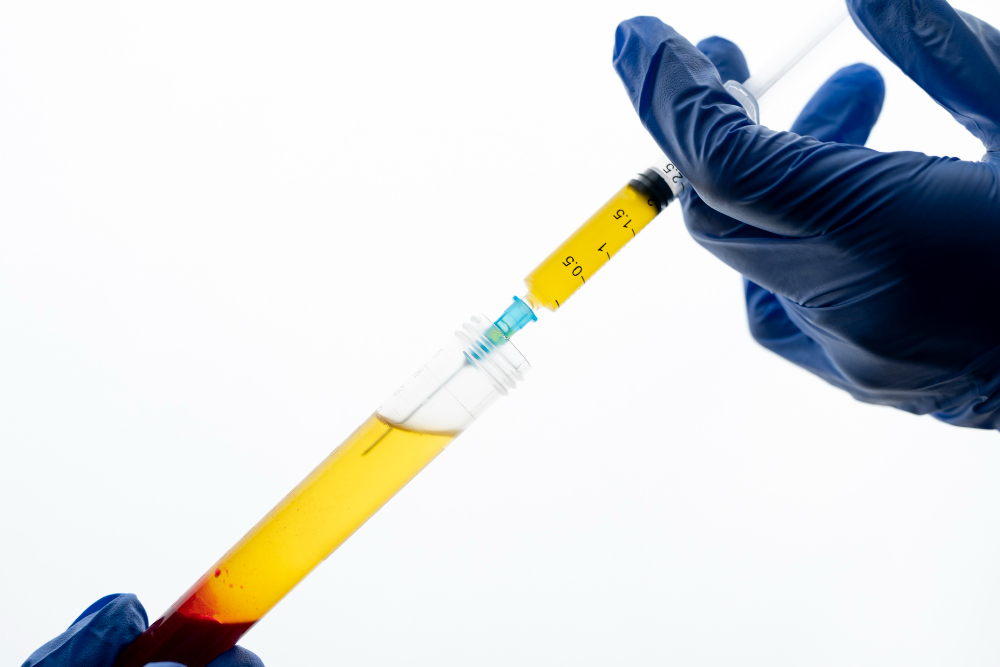
Platelet-rich plasma is drawn from a small sample of your own blood, then spun in a centrifuge to concentrate the platelets packed with growth factors. When injected into the scalp or skin, those growth factors trigger healing responses that support collagen production, hair follicle activation, and tissue renewal. Because PRP uses your own plasma, the risk of allergic reaction is very low.
Are PRP Results Permanent?
PRP results are not permanent. The treatment can produce meaningful, long-lasting improvements in hair thickness or skin quality, but those effects gradually reduce over time without follow-up care. The underlying biological processes driving hair thinning or skin aging, including genetics, hormones, and natural collagen decline, do not stop just because regeneration has been kick-started.
How Long Do PRP Results Last?
In most cases, PRP results build gradually, then stabilize and eventually taper without maintenance. The exact duration varies because PRP outcomes depend on the treatment plan, the consistency with which sessions are completed, and the body’s response over time. Research in aesthetic dermatology also notes that PRP studies often have short follow-up periods and that longer-term durability and optimal maintenance schedules still lack standardized evidence.
A practical way to think about PRP longevity is by phases:
- Early phase (first 4–8 weeks): Visible changes may be subtle and inconsistent while biologic signaling and remodeling begin.
- Build phase (around 3–6 months): Results are typically more noticeable as collagen-related changes and follicle stimulation progress. PRP is commonly delivered in a series of sessions, not as a one-time treatment, which is consistent with how PRP is described in clinical references for scalp use.
- Stabilization and taper (often 6–18 months): While many individuals maintain their PRP results within this timeframe, the effects may gradually diminish. Because evidence varies across treatment protocols, the maintenance schedule is typically tailored to the individual rather than adhering to a single, universal plan.
Typically, PRP results last for months, not permanently. Sustaining the effects usually requires adherence to an initial structured treatment plan followed by a maintenance schedule tailored to the specific condition being addressed.
How PRP Treatments at PRP in Seattle Are Structured
PRP in Seattle builds individualized treatment plans for hair restoration, skin rejuvenation, knee support, scar improvement, and lip rejuvenation. Each plan is based on a clinical assessment of the treatment area, tissue condition, and the patient’s long-term goals, rather than a one-size-fits-all approach.
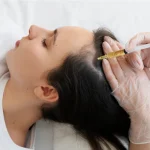
PRP Hair Restoration: Targeted scalp injections stimulate hair follicles and improve density using concentrated growth factors, with protocols adapted to individual thinning patterns and follicle health.
Advanced Hair Options: PRP can be combined with Acell or PRF (platelet-rich fibrin) for patients who want enhanced follicular stimulation and longer-lasting hair rejuvenation outcomes.
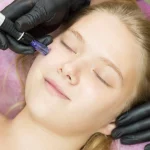
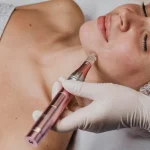
Microneedling with PRP: Controlled micro-channels allow PRP to reach deeper into the dermis, boosting collagen production while improving skin texture and tone. This is a popular option for patients interested in tracking their PRP before and after progress.
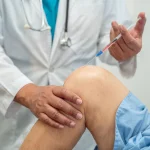
PRP for Knee Support: Concentrated PRP is delivered directly to the knee to support tissue repair and structured healing in patients with joint concerns.
PRP for Scar Improvement: Whether dealing with acne scars, surgical scars, or general textural issues, PRP supports collagen remodeling through targeted injections or microneedling.
Lip Rejuvenation with PRP PRP lip treatments improve hydration, refine texture, and add subtle natural volume by encouraging the body’s own collagen response.
Every treatment series begins with a clinical assessment, and maintenance planning is built in from the start.
When PRP Results Can Feel Like a Long-Term Change
PRP is not permanent in the strictest sense, but many patients describe their results as feeling long-lasting because they are. Initial improvements can hold for well over a year, and with consistent maintenance, the changes feel less like a temporary fix and more like a genuine reset. The goal is to shift your biology toward sustained renewal, not just a short-term boost.
Take the First Step Toward Results That Last
Sitting on the fence about PRP is common, especially when results vary from person to person. The best next step is a straightforward consultation with a specialist who can assess your specific situation and set honest expectations from the start.
At PRP in Seattle, every patient begins with a thorough clinical assessment, and treatment plans are built around real goals, not guesswork. Whether the concern is early hair thinning, skin that has lost its firmness, or something that has been difficult to address, We help patients find out if PRP is the right fit and what a realistic plan looks like for them.
Book a consultation with PRP in Seattle today and take the first step toward results that are built to last
FAQs
Are PRP results permanent for hair restoration?
No. PRP delivers long-lasting improvement in most cases, but results are not permanent. Maintenance sessions are the key to holding onto your progress.
How long do PRP hair results typically last?
Many patients see benefits for 12 to 18 months before a booster treatment is recommended to maintain density and thickness.
Is PRP effective for skin rejuvenation?
Yes. PRP encourages collagen production and growth factor activity that visibly improves skin texture and appearance, with effects that often last many months.
How soon will results appear?
Hair improvements generally take a few months to become visible. Skin texture changes can show up within a few weeks for many patients.
Do results fade without maintenance?
Yes, they do. As natural aging and hair thinning continue, results will gradually diminish without follow-up treatments. Staying on a maintenance schedule makes a significant difference.