Eyebrows shape the face in ways most people do not think about until they start losing them. A few sparse patches here, some thinning there, and suddenly the mirror shows a different person looking back. For many, this change feels frustrating because eyebrows do more than frame the eyes. They communicate emotion, add definition, and contribute to how youthful or rested someone appears.PRP Treatment in Bellevue and PRP Treatment in Kirkland have become popular options for those looking for a natural, non-surgical approach to address thinning eyebrows.
At PRP in Seattle, Dr. Javad Sajan, a renowned plastic surgeon, and Dr. Craig Jonov, a board-certified cosmetic surgeon, take time to understand each patient’s eyebrow concerns before recommending treatment. Since eyebrow thinning can occur for various reasons, a consultation helps assess hair follicle health, discuss available options, and determine whether PRP is appropriate for individual goals and expectations.
Why Do Eyebrows Become Thin in the First Place?
Understanding the root cause helps in finding the right solution. Eyebrow thinning happens for several reasons, and sometimes multiple factors work together.
Natural aging slows down the hair growth cycle. As the body gets older, hair follicles may become less active and produce thinner, shorter hairs. Overplucking is another major culprit. Years of tweezing or waxing can damage hair follicles to the point where they struggle to produce new growth.
Hormonal changes also affect eyebrow thickness. Conditions such as thyroid imbalances or hormonal shifts during menopause can lead to noticeable hair loss in the brow area. Nutritional deficiencies, particularly low levels of iron, biotin, or zinc, may also weaken hair production.
Stress takes a toll on the entire body, including hair follicles. High stress levels can push follicles into a resting phase, causing temporary or prolonged thinning. Certain medical conditions, such as alopecia areata, specifically target hair follicles and may directly affect the eyebrows.
What is PRP Therapy for Eyebrow Restoration?
PRP (Platelet Rich Plasma) treatment uses a concentrated portion of the patient’s own blood to support the body’s natural healing and regenerative processes.
Blood is made up of different parts, including red blood cells, white blood cells, plasma, and platelets. Among these, platelets play an important role because they contain growth factors that help the body repair and heal tissues.
During PRP therapy for thinning hair, a small blood sample is processed in a special machine called a centrifuge. This machine spins the blood at high speed to separate and concentrate the platelets.
The resulting plasma contains a much higher concentration of platelets than normal blood. When this platelet-rich plasma gets applied to thinning eyebrow areas, the growth factors may help create a better environment for hair follicles to function.
How Does PRP Support Thinning Eyebrows?
PRP works in several ways to potentially improve eyebrow appearance. The PRP treatment in Bellevue focuses on supporting existing follicles rather than creating new ones.
Stimulating Weak Hair Follicles
Hair follicles that have become sluggish or dormant may respond to the growth factors present in PRP. These proteins can signal follicles to become more active, potentially shifting them from a resting phase into a growth phase. When follicles receive this stimulation, they may begin producing stronger, healthier hairs.
Supporting the Natural Hair Growth Environment
The area around each hair follicle needs proper blood flow and nutrients to function well. PRP may help improve circulation and deliver essential growth factors directly to where they are needed most. This improved environment can help follicles do their job more effectively.
Improving Overall Eyebrow Density
When multiple weakened follicles start working better, the overall appearance of the eyebrows may improve. Individual hairs may thicken, and the brow area may look fuller over time. This creates a firmer, more even look without the need for daily makeup or cosmetic tattooing.
Who Might Be a Good Candidate for Eyebrow PRP?
PRP may work better for some people depending on the condition of their eyebrow hair and overall goals. It may be worth considering for individuals who:
- Notice early eyebrow thinning and still have active hair follicles that are producing finer or weaker hairs.
- Have patchy or sparse areas but still see some natural eyebrow hair growth.
- Prefer a non-surgical option that uses the body’s own platelet-rich plasma instead of synthetic materials.
- Want to support the health of existing eyebrow follicles and improve the look of thinning brows over time.
- Understand that PRP works with existing follicles and may not create new hair growth in areas where follicles are no longer active.
- Schedule a consultation with a qualified provider to discuss whether PRP is the right choice based on their eyebrow concerns and goals.
Step-by-Step PRP Treatment in Kirkland Eyebrow Restoration Process
Understanding what happens during PRP treatment in Kirkland helps people feel more comfortable and prepared. The process typically involves four main stages.
Blood Collection
The appointment begins with drawing a small blood sample, similar to a routine blood test. Most people find this part quick and relatively easy. The amount collected is usually quite small, often just a few tubes.
PRP Preparation
The blood sample is placed in a centrifuge that spins it at high speed. This spinning separates the blood components and concentrates the platelets into a smaller volume of plasma. The preparation process typically takes about 10 to 15 minutes.
Targeted Eyebrow Injections
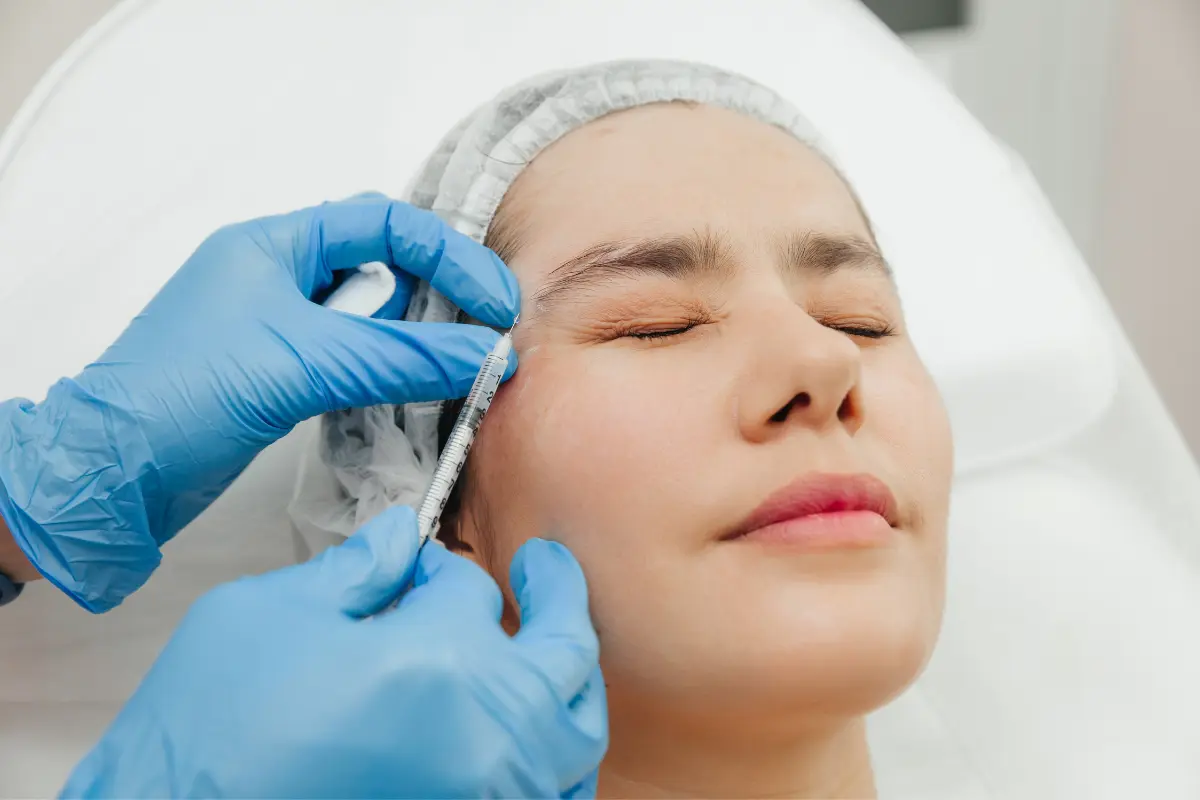
Once the PRP is ready, tiny injections deliver the concentrated plasma directly into the thinning areas of the eyebrows. Practitioners often apply a numbing cream beforehand to minimize any discomfort. The injections target specific zones where hair growth needs support.
Natural Regeneration Process
After the treatment, the growth factors begin their work beneath the skin. This natural regeneration happens gradually over weeks and months. The body uses these proteins to support follicle activity and potentially improve hair production.
How Long Before PRP Treatment in Kirkland Results Become Visible?
Patience matters with PRP treatment in Kirkland. Unlike makeup or tattooing, which show instant changes, PRP works alongside the body’s natural timeline, which takes a bit of waiting.
Some people start noticing small changes after a few weeks, though these early signs are usually subtle. The real differences often show up around two to three months in. Eyebrow hairs may look a bit thicker, and those thin patches might slowly start filling in.
One session alone rarely does the trick. Most practitioners recommend a series of three to four treatments, with a few weeks between each. This gives the growth factors time to do their job and build on the progress from earlier sessions.
Here is the honest truth about results. They differ quite a bit from one person to the next. Age, general health, the extent of thinning, and the current state of the follicles all play a role in the kind of improvement someone might see. Some people walk away really happy with noticeable fullness while others experience smaller, more gradual changes.
What are the Benefits of Choosing PRP for Thinning Eyebrows?
Several advantages make PRP an attractive option for eyebrow restoration compared to other approaches.
Nonsurgical and Minimal Downtime: The PRP treatment in Kirkland requires no incisions, stitches, or lengthy recovery periods. Most people return to regular activities the same day or within a day or two. Some mild redness or swelling at the injection sites typically fades quickly.
Uses the Body’s Own Natural Resources: Since PRP comes from the patient’s own blood, the body generally accepts it well. This reduces concerns about allergic reactions or rejection that might occur with foreign substances.
Natural Looking Results: Results tend to look natural because the treatment supports the body’s own hair growth rather than adding artificial elements. When eyebrow hairs grow in response to PRP, they match the existing hair color and texture.
Can Complement Other Treatments: PRP can work alongside other aesthetic treatments when appropriate. Some people combine it with microblading or other procedures to achieve their desired look.
Quick and Convenient Sessions: Each PRP treatment in Bellevue typically takes about 30 to 60 minutes, making it easy to fit into busy schedules without major disruption.
Supports Overall Follicle Health: Beyond encouraging new growth, the growth factors in PRP may help improve the overall health and strength of existing eyebrow hairs, potentially reducing future thinning.
Read also: How Much Does PRP Treatment Cost in Seattle?
PRP Compared to Other Eyebrow Enhancement Options
Several methods exist for improving eyebrow appearance. Understanding how PRP treatment in Bellevue differs from alternatives helps in making informed decisions.
PRP Versus Eyebrow Tattooing
Cosmetic tattooing, including microblading, creates the appearance of eyebrow hairs by depositing pigment into the skin. This approach works well for creating immediate visual results but does not stimulate actual hair growth. PRP takes the opposite approach, aiming to encourage natural hair production. Some people choose one method while others combine both for comprehensive results.
PRP Versus Eyebrow Transplant
Hair transplant surgery involves moving hair follicles from one area of the body to the eyebrows. This surgical procedure can produce dramatic results but requires incisions, donor site healing, and significant recovery time. PRP offers a less invasive alternative, though it may not produce the same level of transformation as transplant surgery.
PRP Versus Topical Treatments
Various serums and topical products claim to support eyebrow growth. These products typically contain peptides, vitamins, or other ingredients applied directly to the skin. PRP delivers growth factors beneath the skin surface, potentially reaching follicles more directly than topical applications. However, some people use both approaches together.
Why Choose PRP for Thinning Eyebrows in Bellevue and Kirkland?
At PRP in Seattle, Dr. Javad Sajan and Dr. Craig Jonov are both board-certified providers who oversee treatments and work closely with patients to develop personalized plans based on individual evaluations and eyebrow goals.
The clinic uses medical-grade centrifuge technology for PRP isolation. Higher quality PRP may lead to better outcomes, and the equipment used during preparation plays an important role in the final concentration of growth factors. All procedures take place in a clinical, sterile setting with FDA-compliant equipment.
The team brings experience across multiple cosmetic applications including PRP hair restoration, facial rejuvenation, and microneedling treatments. This broad expertise means patients receive care from professionals who understand how regenerative treatments work across different areas of the body.
For those interested in exploring additional options, PRP in Seattle also offers hair restoration for scalp thinning, facial treatments for skin rejuvenation, and microneedling for texture and scarring concerns.
PRP Treatment Locations Serving Bellevue and Kirkland
PRP in Seattle serves patients from Bellevue, Kirkland, and nearby areas with in-person consultations and treatments in a professional medical setting. The team evaluates eyebrow concerns, assesses follicle health, and helps determine whether PRP is a suitable option based on individual goals.
Must-read: What to Expect Before, During, and After Your PRP Treatment
Taking the Next Step Toward Fuller Eyebrows
Thinning eyebrows affect many people, and wanting a fuller, more balanced appearance makes complete sense. PRP treatment in Bellevue & Kirkland offers one potential path forward for those looking to support natural eyebrow growth without surgery or artificial additions.
Understanding the cause of eyebrow thinning, the current state of follicle health, and realistic expectations all matter when considering this treatment. A professional evaluation helps answer these questions and provides clarity on what PRP might or might not accomplish for each individual situation.
At PRP in Seattle, Dr. Sajan and Dr. Jonov work with patients to evaluate eyebrow concerns and determine whether PRP therapy is appropriate based on individual goals and hair follicle condition. Each treatment plan gets built around personal circumstances rather than a generic approach.
Frequently Asked Questions
1. Can PRP regrow eyebrow hair that has completely disappeared?
PRP works best when viable hair follicles still exist beneath the skin. If follicles have been destroyed through scarring, prolonged over-plucking, or certain medical conditions, PRP may not produce significant regrowth in those areas. A professional evaluation can help determine whether sufficient follicular activity remains for PRP to be effective.
2. Does eyebrow PRP treatment hurt?
Most people describe the experience as mildly uncomfortable rather than painful. Practitioners typically apply a topical numbing cream before the injections to minimize sensation. The eyebrow area has relatively thin skin, so some sensitivity is normal. Any discomfort usually fades quickly after the procedure ends.
3. How many PRP sessions are typically needed for eyebrow restoration?
Many practitioners suggest starting with three to four sessions spaced about four to six weeks apart. After this initial series, maintenance treatments every six to twelve months may help sustain results. A personalized plan developed during consultation addresses specific circumstances.
4. Are the results from eyebrow PRP permanent?
The hair growth stimulated by treatment may continue for months or longer, but follicles can gradually return to their previous state. Periodic maintenance sessions help many people preserve their improvements. Individual factors such as age, health, and the original cause of thinning all influence how long the results last.
5. Is there any downtime after eyebrow PRP treatment?
Most people experience minimal downtime following the procedure. Some temporary redness, mild swelling, or slight bruising at the injection sites may occur but resolves within a day or two. Normal activities can usually resume immediately, though practitioners may suggest avoiding intense exercise or excessive sweating for 24 hours.
6. When is the best time to start PRP treatment for thinning eyebrows?
Earlier intervention often produces better outcomes. When eyebrow thinning first becomes noticeable, and follicles are still somewhat active, they may respond more readily to PRP stimulation. Waiting until significant thinning has occurred may reduce the potential for improvement since fewer viable follicles remain to support.