Fine lines, acne scars, and uneven skin texture can become more noticeable over time. Microneedling with PRP is one treatment people consider when they want to address these concerns without surgery.
Because collagen production takes time, providers often recommend multiple sessions rather than expecting results after a single treatment. PRP is also used for men experiencing thinning hair, making it a treatment option for both skin rejuvenation and hair restoration.
At PRP in Seattle, Dr. Javad Sajan, a renowned plastic surgeon, and Dr. Craig Jonov, a board-certified cosmetic surgeon, work closely with patients to understand individual goals before recommending any treatment plan.
What is Microneedling With PRP?
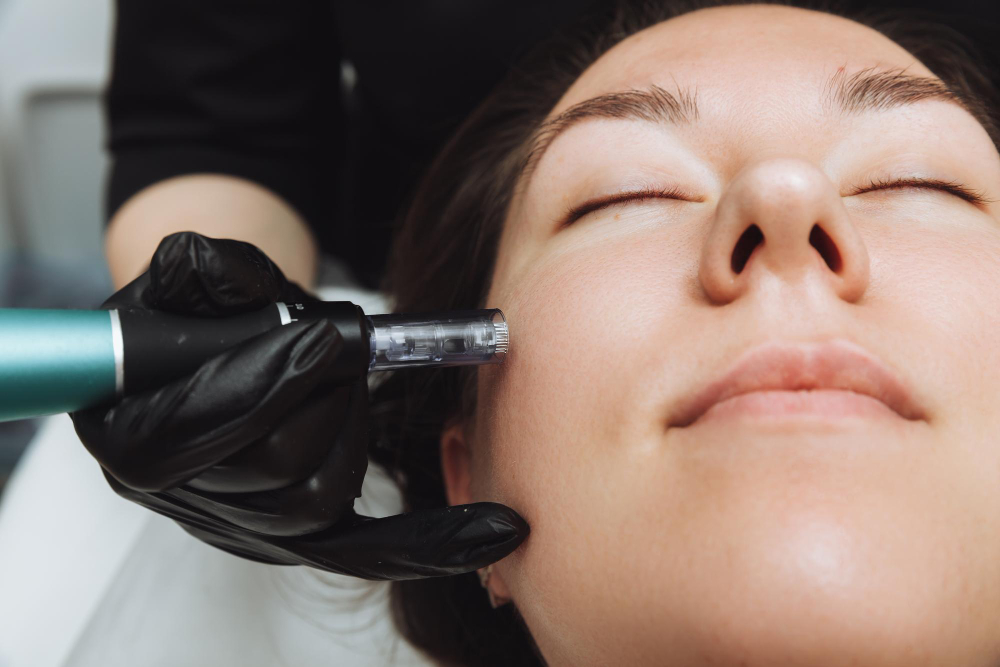
Microneedling creates tiny openings in the skin, while platelet-rich plasma, or PRP, is prepared from a small sample of the patient’s own blood and applied to the treated area. Microneedling with PRP combines two treatments that work in different ways. The microneedling process may encourage the skin’s natural healing response and support collagen production. PRP contains growth factors that may also support skin healing. Together, these microneedling with PRP treatments may help improve the appearance of acne scars, fine lines, uneven texture, and some types of skin discoloration.
The treatment is often chosen by patients who want to improve skin quality without surgery. However, results can vary depending on skin condition, the treatment plan, and how the skin responds during healing.
How Many Microneedling with PRP Sessions Are Typically Needed?
For Fine Lines and Early Signs of Aging
People in their late twenties to early forties dealing with fine lines or mild skin laxity often start with a series of three to four sessions. These treatments are usually spaced about four to six weeks apart. Early intervention tends to require fewer sessions because the skin still has a reasonable amount of natural collagen production happening.
For Acne Scars
Acne scarring sits deeper in the skin, which means the healing process takes longer. Many providers suggest four to six sessions for moderate to severe scarring. Some patients may benefit from additional treatments, depending on scar depth and skin response. Patience matters here because scar tissue breaks down slowly.
For Uneven Skin Texture and Enlarged Pores
Rough texture and visible pores often improve with three to four sessions. The micro-injuries encourage cell turnover, which can gradually refine the skin’s surface. Results tend to build over time as new collagen fills in uneven areas.
For Skin Maintenance
After completing an initial series, many people schedule maintenance sessions once or twice a year. These follow-up treatments help preserve results and support ongoing collagen production. Think of it like keeping up with regular exercise after reaching a fitness goal.
For more details about this treatment, visit the Microneedling with PRP page at PRP in Seattle.
What Factors Affect the Number of PRP Sessions?
The number of PRP treatments needed can depend on the skin concern being treated, its severity, the patient’s skin condition, and how the skin responds to each session.
Age: This plays a role because collagen production naturally slows with age. Someone in their fifties may need more sessions than someone in their thirties.
Current skin condition: Severe sun damage, deep scars, or significant texture issues often require a longer treatment timeline.
Lifestyle habits: Smoking restricts blood flow and may interfere with healing. Excessive sun exposure damages collagen and can undo progress.
Post-treatment skincare: Following aftercare instructions, staying hydrated, and wearing sunscreen help the skin heal properly between sessions.
Individual healing response: Some people see changes quickly while others need more time. Genetics, overall health, and even stress levels can influence outcomes.
When Will You Start Seeing Results with Microneedling with PRP?
After the First Session
Some people notice their skin looks a bit more refreshed within the first week or two. This early glow often comes from the immediate healing response rather than new collagen formation.
After Three Sessions
By the third treatment, collagen remodeling begins to show more noticeable effects. Skin may appear smoother, and fine lines might look softer. Texture improvements often become more visible around this stage.
Long-Term Collagen Remodeling
Collagen continues rebuilding for several months after each session. The full benefits of a PRP treatment series may not appear until three to six months after the final session. This delayed timeline is completely normal because the body works at its own pace.
Maximum Results Appear
Most people see peak improvements around six months after completing their recommended sessions. Maintenance treatments can help extend these results over time.
Is Microneedling With PRP Worth Considering?
For anyone who wants to improve the look and feel of their skin without surgery, microneedling with PRP may be an option worth exploring. The treatment uses PRP made from the patient’s own blood and combines it with microneedling to support the skin’s natural healing process.
The skin may look red or feel slightly sensitive after treatment, and mild swelling can also occur. These effects often settle within a few days. As the skin heals, changes may appear gradually rather than all at once.
That gradual process is one reason some patients choose microneedling with PRP. The treatment may help improve the appearance of concerns such as fine lines, acne scars, and uneven skin texture over time. The results can vary from person to person, but the goal is to support healthier-looking skin without incisions or a long recovery.
Can Microneedling Be Combined with Other PRP Treatments?
Regenerative medicine has expanded beyond facial treatments. The same science behind skin rejuvenation now applies to other concerns, including hair loss.
PRP for Men Experiencing Hair Thinning
Hair loss affects millions of men, and many begin to notice thinning in their twenties or thirties. PRP for hair restoration offers a non-surgical approach that may support healthier hair follicles.
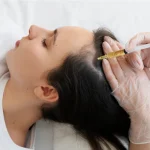
The treatment involves injecting platelet-rich plasma directly into the scalp. Growth factors in the plasma may help nourish weakened follicles and encourage a healthier hair growth cycle. Early intervention often produces better outcomes because treating hair loss before significant thinning occurs gives the follicles more to work with.
Platelet-Rich Plasma Hair Restoration Seattle WA
Scalp PRP differs slightly from facial PRP. The scalp has distinct tissue characteristics, and the PRP injection technique targets hair follicles specifically rather than the skin’s texture.
Platelet-Rich Plasma Hair Restoration Seattle WA typically involves a series of three to four treatments spaced about four to six weeks apart. Some patients may benefit from maintenance sessions every six to twelve months.
Men experiencing early-stage male pattern baldness, diffuse thinning, or a receding hairline may be good candidates. A consultation helps determine whether the treatment aligns with individual goals and expectations.
Learn more about this option on the PRP Hair Restoration page.
| Factor | Facial PRP (Microneedling) | Scalp PRP (Hair Restoration) |
| Target Area | Skin surface, dermis layer | Hair follicles beneath the scalp |
| Primary Goal | Collagen production, texture improvement | Follicle nourishment, hair cycle support |
| Application Method | Topical after microneedling or injected | Direct injection into scalp tissue |
| Typical Session Count | 3 to 6 sessions | 3 to 4 sessions initially |
| Session Spacing | 4 to 6 weeks apart | 4 to 6 weeks apart |
| Maintenance Schedule | 1 to 2 times per year | Every 6 to 12 months |
| Ideal Candidates | Fine lines, scars, uneven texture | Early thinning, diffuse hair loss, hairline recession |
| Downtime | Mild redness for 24 to 48 hours | Minimal, may have slight scalp tenderness |
Why Is PRP Becoming More Popular Among Men?
Hair restoration conversations have shifted in recent years. More men feel comfortable exploring treatment options that previous generations might have avoided.
PRP appeals to this group for several reasons. The treatment is non-surgical, which means no scalpels, no stitches, and no significant recovery time. Since the plasma comes from the patient’s own blood, the process feels natural to many.
Most sessions take about an hour, and patients can typically return to normal activities the same day. PRP can also complement other hair restoration methods, including medications or transplant procedures.
For men who want to address thinning hair without major interventions, platelet-rich plasma offers an option worth exploring.
Key Tips to Help Maximize Platelet-Rich Plasma Hair Restoration Seattle WA Results
Getting the most from any PRP treatment involves more than just showing up for appointments. A few simple habits may support better outcomes.
Staying hydrated helps the body function at its best. Water supports circulation and cellular repair, both of which matter during the healing process.
Avoiding smoking makes a real difference. Nicotine restricts blood vessels and can slow down healing. Patients who smoke may not see the same improvements as non-smokers.
Following post-treatment instructions carefully helps the skin recover properly. Providers typically recommend avoiding harsh skincare products, excessive sweating, and direct sun exposure for a few days after each session.
Wearing sunscreen protects new collagen from UV damage. Sun exposure breaks down collagen faster, which can undo progress over time.
Keeping follow-up appointments allows the provider to monitor progress and adjust the treatment plan if needed.
Maintaining a healthy skincare routine between sessions supports ongoing results. Gentle cleansers, moisturizers, and quality serums help keep the skin in good condition.
Why Choose PRP in Seattle?
PRP in Seattle offers treatments through a clinical team of licensed aestheticians working under the direct guidance of board-certified plastic surgeons. Each treatment plan is built around the individual patient’s anatomy and goals rather than a one-size-fits-all approach.
The clinic uses advanced centrifuge technology to produce highly concentrated platelet-rich plasma, which supports maximum growth factor activation. A focus on natural-looking results and precise injection technique sets the team apart. All treatments happen in a sterile, medically supervised setting using FDA-compliant equipment.
For patients exploring regenerative aesthetics beyond facial treatments, PRP in Seattle offers a full range of platelet-rich plasma options.
PRP Facial Rejuvenation uses growth factors to improve overall skin tone, texture, and radiance across the face. PRP Microneedling combines micro-channeling with PRP to address fine lines, acne scarring, and uneven skin surface. PRP Hair Restoration targets thinning hair and hairline recession by delivering growth factors directly to the scalp.
Each of these treatments follows the same regenerative approach, making PRP in Seattle a comprehensive destination for patients seeking natural, biology-driven results for multiple concerns.
For questions about pricing and treatment packages, visit the Price List page.
Moving Forward with a Personalized Plan
The ideal number of PRP sessions depends on individual goals, current skin or scalp condition, and the body’s response to treatment. Microneedling with PRP in Seattle, WA, is a regenerative treatment designed to deliver gradual, natural-looking improvements rather than overnight transformations.
Give us a call at (206) 279-2112 to learn more about your options. Scheduling a consultation or contact us for PRP in Seattle is a helpful first step toward developing a personalized treatment plan tailored to your needs and goals.
Frequently Asked Questions
-
How many Microneedling with PRP sessions are typically recommended?
Most providers recommend 3 to 6 sessions, depending on skin concerns and goals. Fine lines may require fewer treatments while deeper scars often need more. A consultation with PRP in Seattle helps determine the right number for each person.
-
Can one microneedling with PRP session provide noticeable changes?
Some people notice mild improvements after a single PRP session, but the real benefits usually appear after multiple treatments. Collagen remodeling takes time, so patience is important.
-
How often should Microneedling with PRP sessions be scheduled?
Microneedling with PRP treatments are typically spaced four to six weeks apart. This timing allows the skin to heal and begin producing new collagen before the next session.
-
Is Microneedling with PRP uncomfortable?
Most providers apply a numbing cream before the microneedling with PRP procedure to minimize discomfort. Patients often describe the sensation as mild pressure or a slight prickling feeling.
-
Can Microneedling with PRP help reduce acne scars?
This treatment may improve the appearance of acne scars over time. The combination of microneedling and growth factors can promote tissue remodeling, softening scar depth and texture.
-
Does PRP for Men actually help with hair thinning?
Research suggests that PRP may support hair follicle health and encourage a healthier growth cycle. PRP for men results vary from person to person, and early intervention often produces better outcomes.
-
How many Platelet-Rich Plasma Hair Restoration Seattle WA treatments are usually needed?
Most PRP treatment plans include three to four initial sessions spaced about four to six weeks apart. Maintenance sessions every six to twelve months may help sustain results.